Ofe Oha (Oha Soup) Step-by-Step Guide
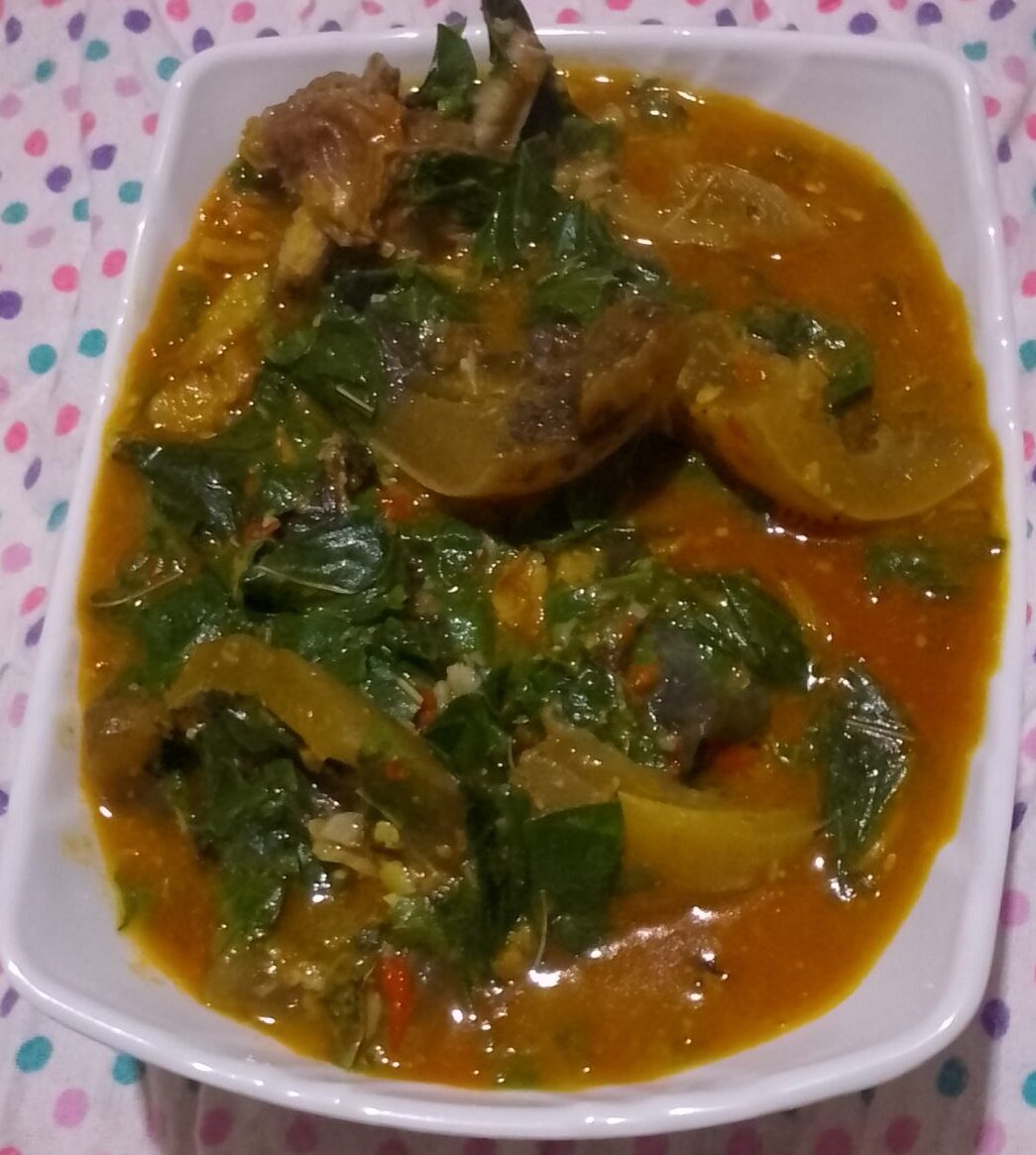
Ofe Oha is a delicious traditional Igbo soup made with fresh oha leaves, meats, fish, and cocoyam. Ofe Oha also known as Oha Soup is popular for its rich flavor and nutritional value, this soup is a favorite in many Nigerian homes. On this page, you’ll learn how to cook Ofe Oha from scratch, including the ingredients, cooking steps, and expert tips for achieving the perfect taste and texture.
Ofe Oha has great significant in Nigerian homes because of its rich and exotic taste, it is one soup you cannot resist its taste. It is served in almost every occasion and restaurants in the southeastern part of Nigeria. Ofe Oha is anchored by a strict cultural tradition: the leaves must never be cut with a knife. Historically passed down through generations from mothers to daughters, it is dictated that Oha leaves must be shredded exclusively by hand. Legend and early culinary observations held that contact with iron blades oxidizes the delicate leaves, causing them to darken and turning the entire pot of soup bitter. This practice persists today as a preservation of authentic sensory heritage.
I will guide you on the step by step process of cooking delicious Ofe Oha also known as Oha Soup. Remember that on this blog we do not cook with maggi seasoning, we use ONLY NATURAL INGREDIENTS
Ingredients needed for Ofe Oha
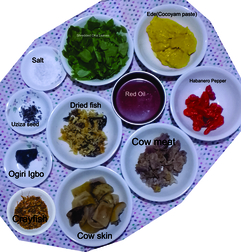
- 8pc of Ede (Cocoyam balls)
- Oha leaves
- Cow skin
- Beef
- Dry fish
- Crayfish
- Uziza seed or leaf
- Habanero pepper or chile pepper
- Ogiri Igbo (fermented castor seed paste) or you can use Okpei depending on individual choice
- Salt
- Red oil
More Nigerian Recipes You’ll Love:
- How to cook Okpa (bambara nut flour),
- How to cook Ogbono soup with okra
- How to cook Ofe Akwu (Banga Stew)
- Healthy alternatives to maggi
- Yam Porridge with vegetable
- How to cook Okra soup with Vegetable
- How to cook Egusi Soup
- How to prepare Abacha
- 6 Natural spices for your cooking
- How to cook Bitterleaf Soup (Ofe Onugbu)
- How to cook Afang Soup (Authentic Nigerian Recipe)
- How to cook cook Egusi Soup with Bitterleaf (Onugbu)
- How to cook Ukwa (African Breadfruit)
- How to cook White soup (Ofe Nsala)
- How to cook Igboka (Traditional Corn flour Delicacy)
- How to prepare Akidi with Ugba
Kitchen Utensils Needed
- Cooking pot
- Knife
- Chopping board
- Mortar and pestle or blender
- Spoon
- Plates
- Bowl
Preparation before cooking
- Boil your Ede (cocoyam balls) to softness usually 30mins, sieve out the water, peel off the back, and pour inside a clean mortar and pound into a smooth paste or you can use blender. scoop into a wet plate while wetting the spoon at interval, so that the paste won’t be sticking on either the plate or the spoon
- Wash your meats thoroughly, put them inside a clean pot, add salt and pepper, stir and cover.
- Pound or blend Uziza seed, pepper, crayfish and okpei (if you intend using okpei)
- Shred your Oha leave. Do not wash it yet until its time to use it. It becomes stronger when is wet
Step by step cooking procedure
Step 1:
Put the pot of meat on fire allow it to steam for a while, add water then allow the meat and fish to boil, up to half-done, add red oil and allow it to boil till the meat is well cooked.
Step 2:
Add the pounded Ede (cocoyam paste) into the boil pot, add the pounded pepper, uziza, crayfish and ogiri igbo. Cover it allow it to cook for 10mins,stir it and cover it again. At interval open it and stir to avoid burning and also to know when the cocoyam paste has melted very well. Remember I said you should add add the taste enhancers (pepper etc) together with the cocoyam paste, the reason was for the ingredient to mix very well with the cocoyam soup base.
Step 3:
when the paste has melted very well, taste the soup to check if its salted to taste. If not, add salt to taste.
Step 4:
Wash the shredded Oha leave and put into the boiling soup pot, stir and cover. Allow it to cook for few minutes, do not over cook your vegetables. Open and stir. Turn off the heat.
Step 5:
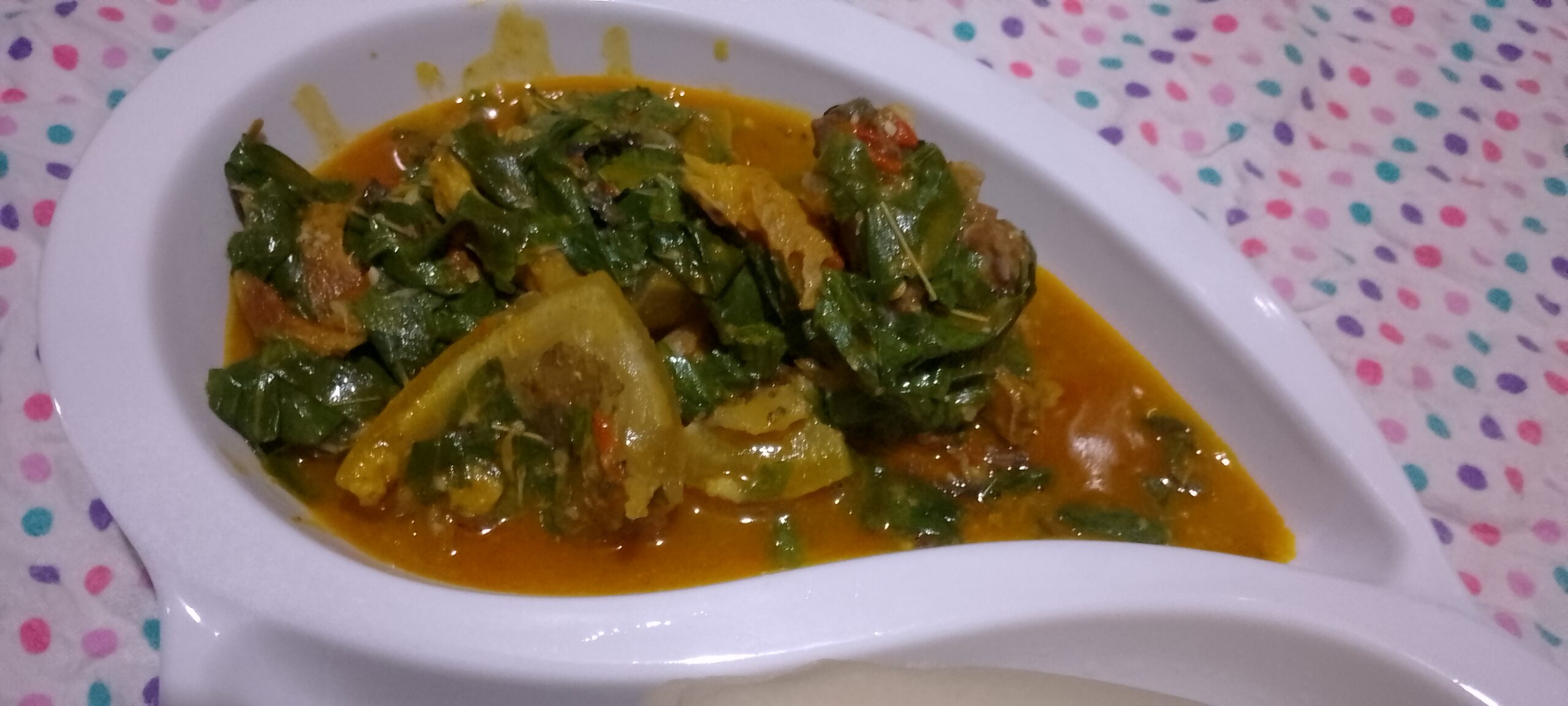
Serve warm or hot depending on the your choice. Our Ofe Oha is ready!
Tips for best coking experience:
- Add oha leaves last to preserve freshness.
- Avoid overcooking the leaves.
- Use fresh ingredients for a richer flavor.
- Stir gently after adding the leaves.
- Do not make the cocoyam paste to be too thick or too watery, moderate texture is the key
- Do not over salt the soup. Too much salt kills the taste of food.
- Do not over cook the soup, remember the cocoyam is already cooked, cooking it again after the pounding was to make it cook together with the ingredients.
Health benefits of Oha
Ofe Oha is a good source of protein when prepared with fish and meat. It supports a balanced diet, Rich source of vitamins and Contains dietary fiber
Serving Options.
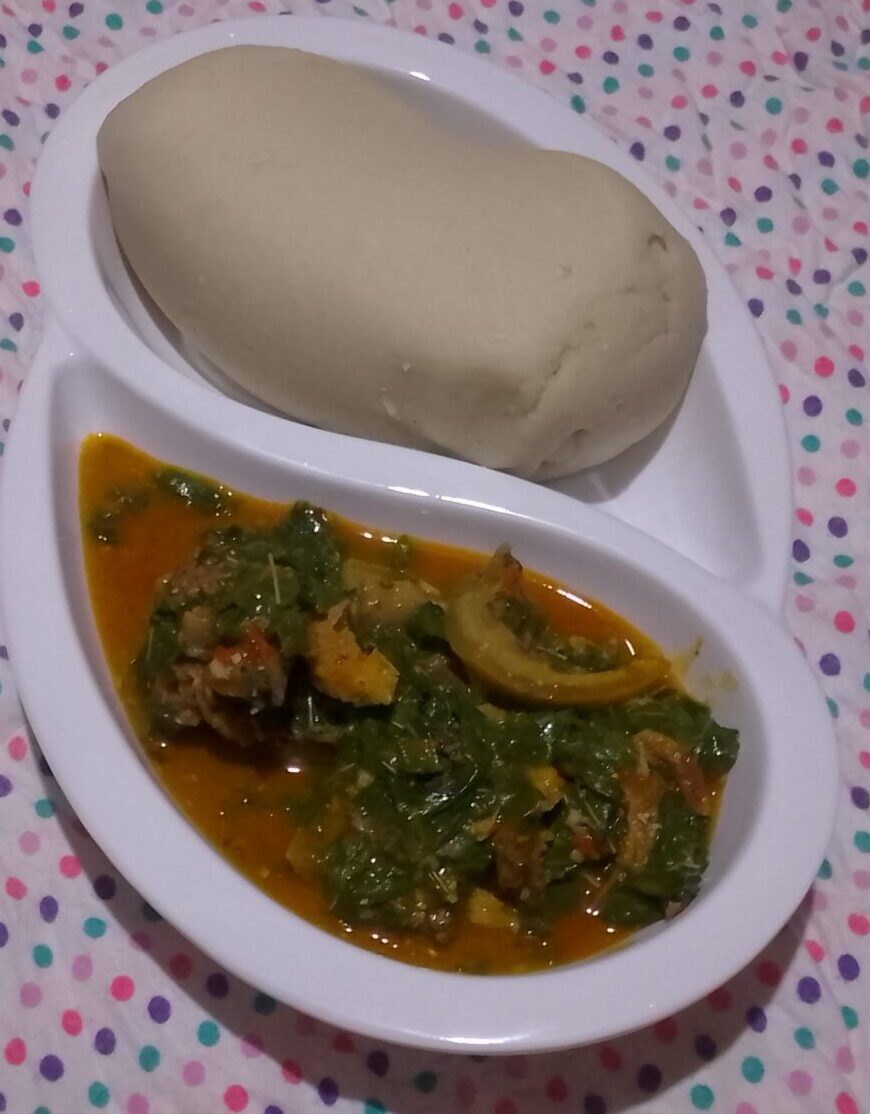
Our delicious Ofe Oha can go with any type of swallow like Pounded yam, Fufu/Akpu, Eba/Garri, Semovita, Wheat meal etc.
Frequently Asked Questions (FAQ)
Can I use cocoyam flour instead of fresh cocoyam?
Ans: Yes you can especially for people living outside Nigeria. Though a slight difference in taste.
How long does Ofe Oha last?
Ans: Depending on the quantity you cooked but with 8-10 balls of cocoyam balls, it will last for two days.
Can I freeze Ofe Oha?
Ans: yes of course, you can freeze it to retain its freshness and to make it last longer.
What makes Ofe Oha different from Oha Soup?
Ans: They are the same thing. Individual dialect is what differentiated the spelling but they mean the same thing.
Can I cook Ofe Oha without stockfish?
Ans: Yes, you can cook Ofe Oha without stockfish and it will still taste great
Finally, don’t forget that Ofe Oha is one of the most cherished traditional soups in Igbo cuisine. With fresh ora leaves, quality proteins, and the right cooking technique, you can prepare a flavorful pot of soup that your family will love. Follow this recipe, enjoy the authentic taste of Ofe Oha, and share your experience in the comments.
Thank you for your time.