Healthy Alternatives to Maggi Cubes and Other Seasonings
Seasoning cubes such as Maggi have become a common ingredient in many kitchens around the world. They are widely used to enhance the flavor of soups, stews, sauces, rice dishes, and many other meals. Their convenience, affordability, and rich savory taste have made them a household favorite for generations.
Food is any nourishing substance consumed to provide the body with nutrients, energy, and good health. Because our health is closely linked to what we eat, it is important to be mindful of the ingredients we use every day. As the saying goes, “You are what you eat.” The choices we make in the kitchen today can influence our health tomorrow.
In this article, I’ll introduce you to healthier alternatives to seasoning cubes and explain how you can prepare delicious, flavorful meals using natural ingredients.
Why Are Maggi Cubes So Popular?
Have you ever wondered why seasoning cubes have become an essential ingredient in many homes?
Their popularity is largely due to convenience. They are affordable, easy to use, and readily available in almost every grocery store. A single cube can quickly add a rich, savory flavor to food without the need for several fresh ingredients.
Maggi products are designed to provide umami, the pleasant savory taste naturally found in foods such as meat broth, mushrooms, fermented foods, tomatoes, soy sauce, and aged cheese. This makes meals taste richer and more satisfying.
Across the world, Maggi products have become part of everyday cooking:
- In Nigeria, seasoning cubes are commonly used in soups, stews, and rice dishes.
- In India, Maggi noodles became a popular quick meal among students and families.
- In Germany and Switzerland, Maggi seasoning sauce is often used as a table condiment, similar to soy sauce.
Decades of advertising have also played a major role in making Maggi a trusted household name. Many people grew up watching their parents cook with seasoning cubes, making them feel like an essential part of home cooking.
My Personal Journey
After graduating from university, I worked in a clinic where patients with chronic health conditions received treatment.
During my time there, I met people from different backgrounds who struggled with illnesses that affected their quality of life. While many factors contribute to chronic diseases, I became increasingly interested in the role diet plays in maintaining good health.
As I explained the dietary recommendations in their treatment plans, I began asking myself an important question:
Could healthier food choices help people reduce some of these risks?
That curiosity led me to research healthier cooking habits.
I started by making changes in my own kitchen. I reduced my reliance on highly processed seasonings and began cooking more often with natural herbs, spices, vegetables, fish, and homemade stocks.
Personally, I have enjoyed cooking this way, and it has encouraged me to continue learning about healthier food choices.
That experience inspired me to create this blog, where I share recipes and natural seasoning alternatives that help people prepare flavorful meals using wholesome ingredients.
One of the common dietary recommendations given to many patients with chronic conditions is to reduce their intake of highly processed foods and foods that are high in sodium. Some people believe that using only a small amount of seasoning cubes makes no difference. However, it is worth considering your total daily intake. Besides the food you prepare at home, many restaurant meals, snacks, and processed foods also contain high amounts of sodium and added flavor enhancers. When these sources are combined, your overall intake may be much higher than you realize.
Frequent consumption of foods that are high in sodium may increase health risks over time. Have you asked what your predecessors ate that kept them healthy before the introduction of maggi? What do they add to their food to make it taste yummy?
The quest for convenience and shortcut has and is affecting our health on a daily basis and That is one of the reasons I created Maggie Free Pot with Chy, where I share recipes that rely on natural herbs, spices, and wholesome ingredients. To do away with quick and instant meal because many instant noodles are highly processed and may be low in essential vitamins, minerals, and fiber unless fortified or served with nutritious additions. especially in countries like Nigeria.
With the rise of chronic diseases, people are becoming conscious of what they eat but they do not know the exact replacement for maggi and other harmful chemical spices. I am here to guide on the healthy alternatives to maggi.
Our ancestors prepared meals using fresh herbs, spices, vegetables, and other natural ingredients. While life expectancy is influenced by many factors, there is much we can learn from traditional cooking methods that emphasize wholesome foods.
More Nigerian Recipes You’ll Love:
- How to cook Ogbono soup with okra without maggi.
- How to cook Ofe Oha (Oha Soup)
- How to cook Ofe Akwu (Banga Stew)
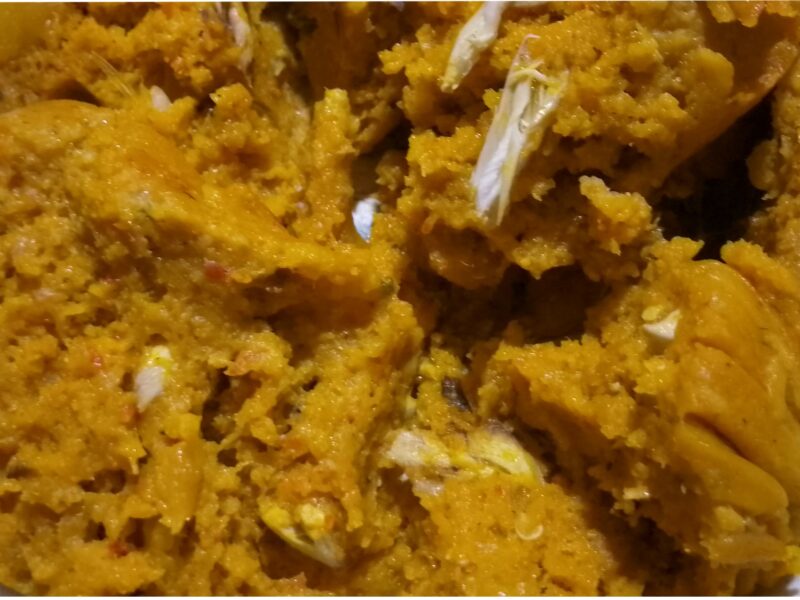
- How to cook Okpa (Bambara Nut flour)
- Yam Porridge with Vegetable
- How to cook Egusi soup
- How to cook Okra soup with vegetable
- How to prepare Abacha
- 6 Natural spices for your cooking
- How to cook Bitterleaf Soup (Ofe Onugbu)
- How to cook Afang Soup (Authentic Nigerian Recipe)
- How to cook Egusi Soup with Bitterleaf (Onugbu)
- How to cook Ukwa (African Breadfruit)
- How to cook White soup (Ofe Nsala)
- How to cook Igboka (Traditional Corn Flour Delicacy)
- How to prepare Akidi with Ugba
What is in Maggi that makes it unhealthy?
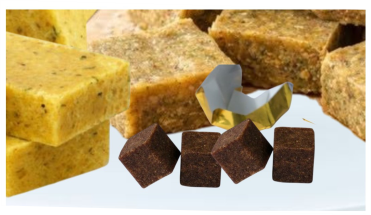
If you read the ingredient section of a maggi cube and other spices, they contain lots of ingredients but I will be highlighting the ingredients with special health concern.
I encourage you to also read those tiny writeups on product label.
Sodium (salt)
The most red flag. Whether you use table salt, sea salt, or Himalayan pink salt, moderation is still important because they all contain sodium.
Maggi seasoning cubes and instant noodles contain very high sodium levels. Know it that too much sodium is linked to:
- High blood pressure
- Increased risk of stroke
- Heart disease
- Kidney strain
Is that tiny cube worth the risk?
Monosodium Glutamate (MSG)
That yummy taste you get from adding maggi and other spices, have you wondered what exactly gives that combo? its monosodium glutamate (MSG). That taste that would make you desire for more bread, party jollof, pastries, drinks, etc? Its MSG
MSG is used to boost savory flavor (umami). Research generally finds MSG safe for most people in normal amounts, but how would you measure the quantity when it’s in every plate of food you eat, every snack you eat, every bottle of drinks, juices, etc. Concerns persist because some people report temporary symptoms after consuming large quantities, such as:
- Headaches
- Flushing
- Thirst
- Mild discomfort
Saturated fats and palm oil
Some Maggi products contain palm oil or other fats high in saturated fat. High intake of saturated fat over time may contribute to:
- Elevated LDL (“bad”) cholesterol
- Increased cardiovascular risk
Refined carbohydrates in noodles
frequent use may contribute to:
- Poor satiety
- Blood sugar spikes
- Lower overall diet quality
Additives and preservatives
The flavor enhancers, preservatives, artificial colors, or hydrolyzed proteins is a cause for concern. Some ingredients are intended to be consumed in small amounts. However, because processed foods are widely available, it can be easy to consume them more frequently than intended.
Low micronutrient density
Meals made primarily with highly processed ingredients may provide fewer vitamins and minerals than meals prepared with a variety of fresh vegetables, herbs, legumes, and proteins.
The healthy alternatives to maggi
It’s not enough telling you to avoid maggi, I will equally show you the healthy alternatives you can use instead. I will list many of them now, and I will equally tell you how to mix the various natural spices for different dishes. In future articles, I’ll explain how to combine these natural herbs and spices for soups, stews, rice dishes, fish, meat, and many other Nigerian recipes. Together we will achieve a wholesome healthy living.
List of some Natural Spices:
Herbs used as spice:
- Basil
- Thyme
- Rosemary
- Oregano
- Sage
- Coriander
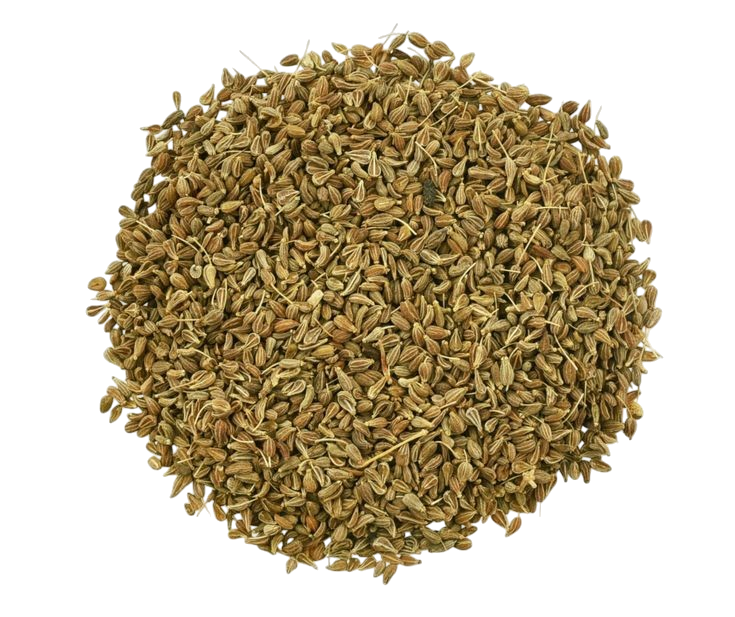
- Bay leaves
- Curry leaves
- Scent leaf (ahuji/nchuanwu)
- Uziza leaves
- Utazi leaves
- Bitter leaf
- Ugu (fluted pumpkin leaves)
Seeds, roots, bark, or dried fruits:
- Ginger
- Garlic
- Turmeric
- Black pepper
- Cayenne pepper
- Chili pepper
- Paprika
- Cinnamon
- Nutmeg
- Cloves
- Cardamom
- Cumin
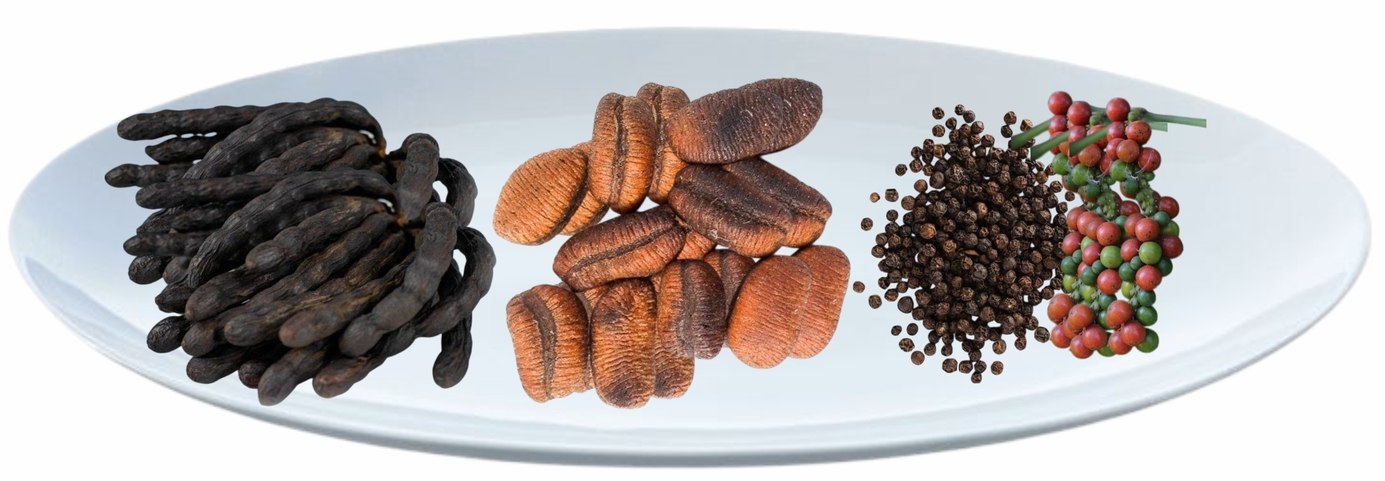
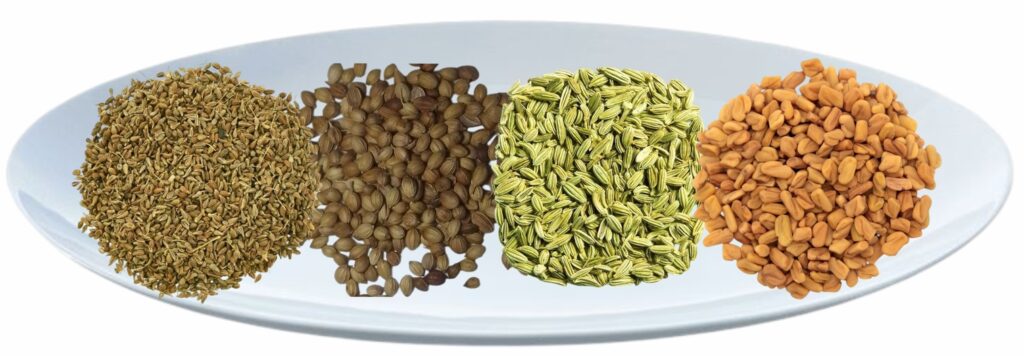
- Coriander seed
- Fennel seed
- Negro pepper (uda)
- Ehuru / African nutmeg
- Anise
Natural flavor boosters:
- Onion
- Garlic
- Fresh peppers
- Tomatoes
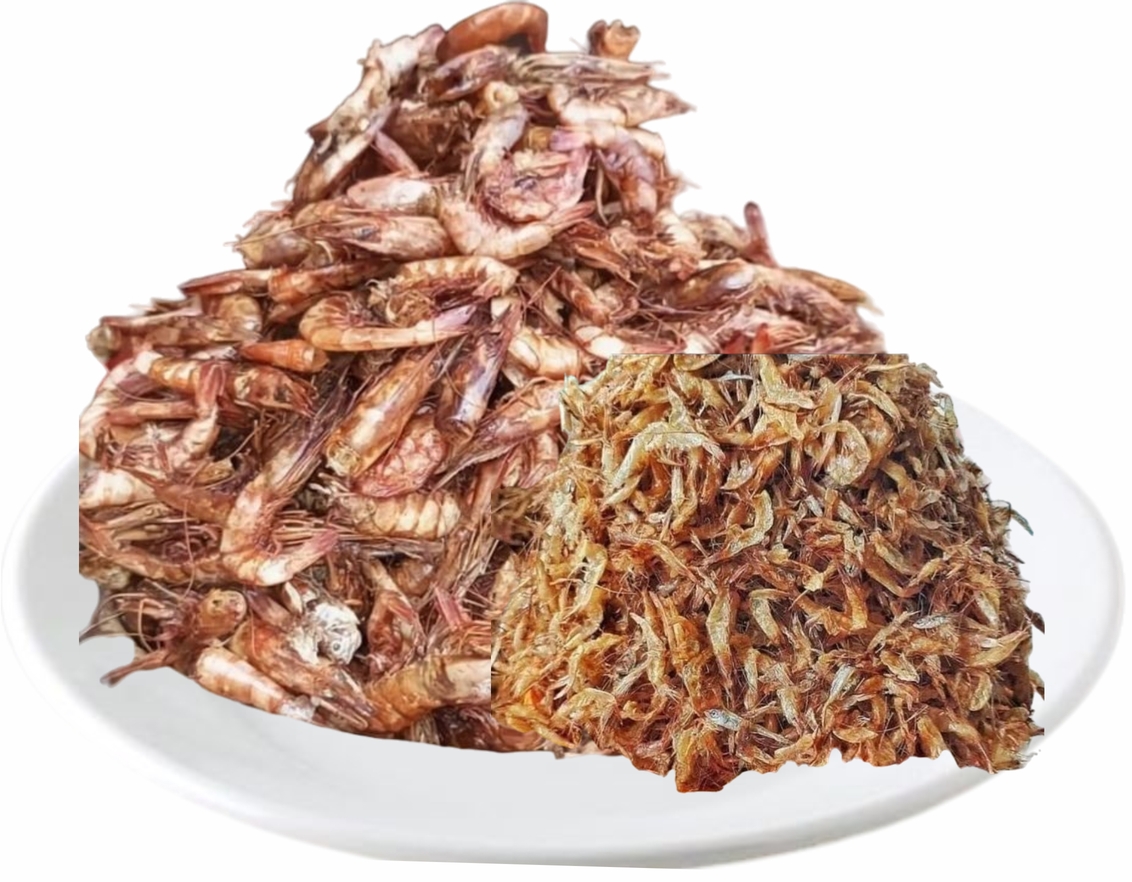
- Crayfish
- Smoked fish

- Dried shrimp
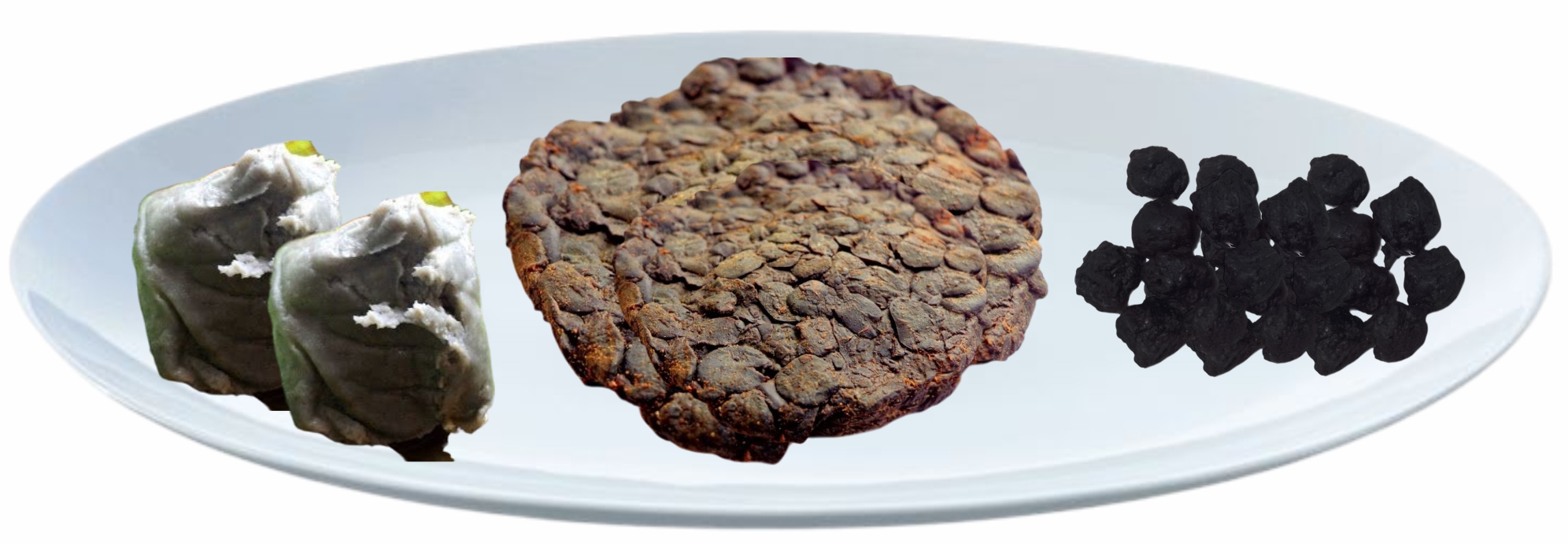
- Fermented locust beans (iru/dawadawa/ogiri depending on region)
- Mushrooms
- Fish broth
- Beef broth
- Chicken broth
Final Thoughts
Switching from highly processed seasonings to natural herbs and spices doesn’t have to happen overnight. Start with small changes by incorporating more fresh ingredients, homemade stocks, herbs, and traditional Nigerian seasonings into your meals.
Natural ingredients can add wonderful flavor while encouraging a balanced approach to cooking. Over time, you’ll discover that delicious food doesn’t have to rely solely on seasoning cubes.
I hope this guide has inspired you to explore healthier alternatives and enjoy the rich flavors that nature provides.