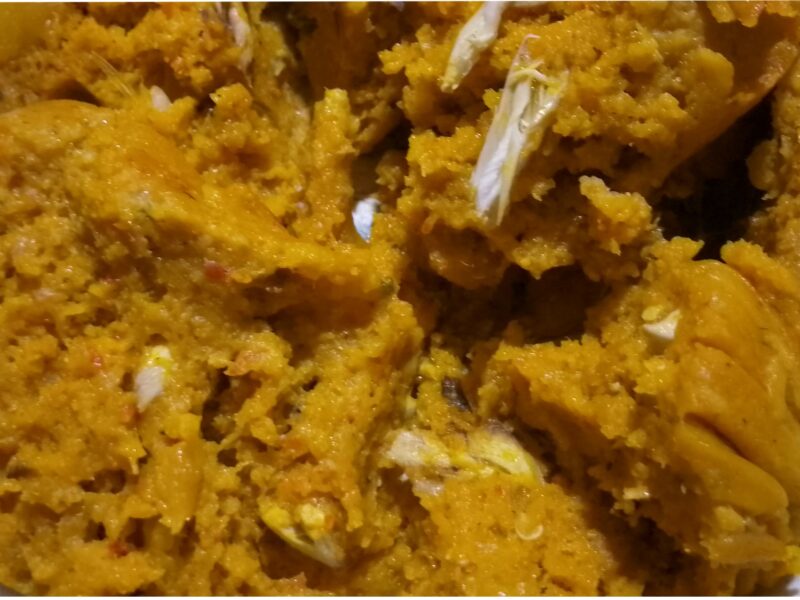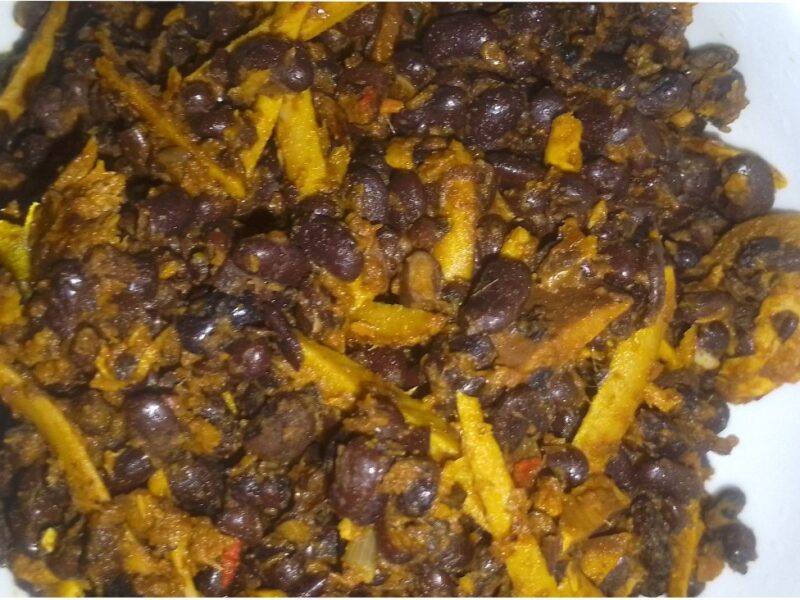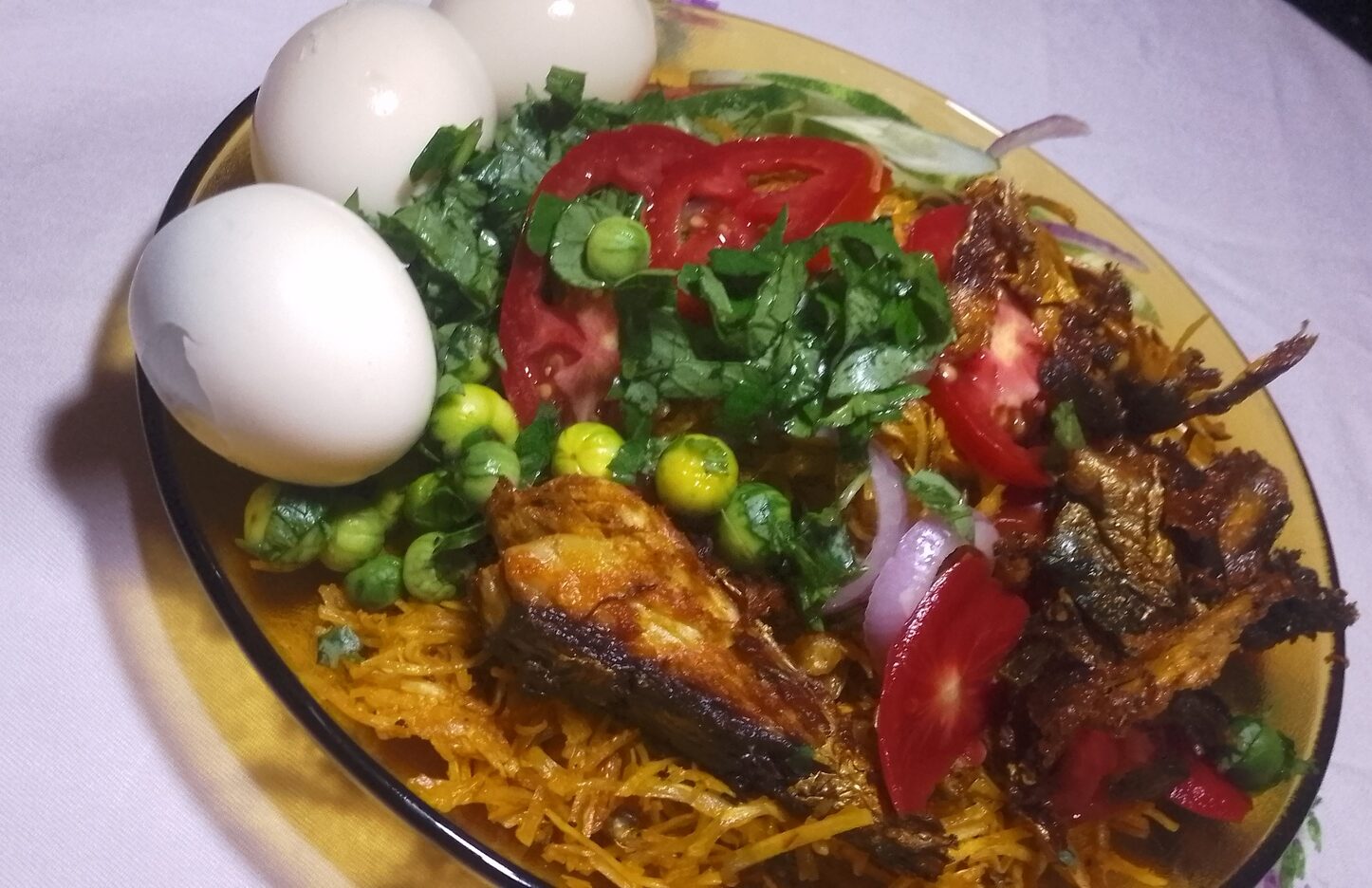
How to Prepare Abacha, Abacha popularly known as African Salad, is one of the most cherished traditional dishes of the Igbo people in southeastern Nigeria. It is made from whole cassava that is cooked and traditionally processed into thin flakes using a local tool called Nkwo. These flakes are dried and later transformed into the delicious meal known as Abacha.
How to Prepare Abacha, Richly flavored with palm oil, ugba (African oil bean seeds), crayfish, ehuru, ogiri, smoked fish, and fresh vegetables, Abacha is a favorite at family gatherings, festivals, and celebrations. Although it is called African Salad, it is quite different from a typical vegetable salad, offering a unique combination of smoky, spicy, and savory flavors.
How to Prepare Abacha step-by-step guide, I’ll show you exactly how I prepare authentic Nigerian Abacha at home, along with helpful tips to help you achieve the best taste and texture every time.
Although it is called a salad, Abacha (African Salad) is quite different from the typical vegetable salad. It combines local Nigerian ingredients to create a rich, spicy, and satisfying dish that is enjoyed throughout southeastern Nigeria and beyond.
Reasons why you will love this Recipe:
- Easy to prepare with simple ingredients.
- Rich in authentic Nigerian flavors.
- Perfect for family meals and celebrations.
- Ready in under 40 minutes.
- Can be customized with your favorite proteins and vegetables.
- Naturally gluten-free.
Abacha
As mentioned earlier, How to Prepare Abacha been a traditional Nigerian dish is made from shredded cassava that has been cooked, fermented, and dried. Before serving, the cassava strips is softened using hot water, and mixed with palm oil, ugba (African oil bean seeds), potash water, crayfish, pepper, ehuru, and a variety of toppings such as smoked fish, kpomo (cow skin), garden eggs, utazi leaves, and onions.
The result is a flavorful dish with a balance of smoky, spicy, slightly bitter, and savory notes that make it a favorite at gatherings and special occasions.
Why Is Abacha Called African Salad?
Despite its name, African Salad is not a leafy salad. The name comes from the way the ingredients are mixed together before serving. Unlike Western salads, Abacha is made with cassava flakes, palm oil, local spices, ugba, fish, and vegetables, giving it a rich and satisfying flavor.
Ingredients for How to Prepare Abacha
The Ingredients will be in 2 sections: The main ingredients and optional ingredients.
Main Ingredients:
- 500g dried Abacha (shredded cassava)
- 1 cup ugba (African oil bean seeds)
- ½ cup palm oil

- 2 teaspoon food-grade potash (ngor, made from Palm tree by products, it does not cause purging)
- crayfish to taste
- 2 wraps of Ogiri Igbo (fermented castor seed paste)
- Salt to taste
- Fried chili pepper (to taste)
- 2 medium onion (sliced)
- 2 tablespoons ground ehuru
- 2 tablespoons ground ogiri (optional)
If you enjoy traditional Nigerian recipes, you may also like:
- 6 Natural Spices That Transforms Your Cooking
- How To Cook Okra Soup With Vegetable (Easy Nigerian Recipe)
- How To Cook Egusi Soup With Ugu (Easy Nigerian Recipe)
- Yam Porridge With Vegetable
- Ogbono Soup With Okra
- How To Cook Okpa
- How To Cook Ofe Oha (Oha Soup)
- How To Cook Ofe Akwu (Banga Stew) without maggi
- Healthy Alternatives To Maggi
- How to cook Bitterleaf Soup (Ofe Onugbu)
- How to cook Afang Soup (Authentic Nigerian Recipe)
- How to cook Egusi Soup with Bitterleaf (Onugbu)
- How to cook Ukwa (African Breadfruit)
- How to cook White soup (Ofe Nsala)
- How to cook Igboka (Traditional Corn flour Delicacy)
- How to prepare Akidi with Ugba
Optional Ingredients or Toppings:
- Smoked fish
- Onwuruonwu (Lake Victoria sardine)
- Stockfish
- Kpomo (cow skin)
- Garden eggs
- Utazi leaves
- Garden egg leaves
- Cooked beef
- Ponmo
- Fresh tomatoes (optional)
Kitchen Tools Needed:
- Large mixing bowl
- Cooking pot
- Wooden spoon
- Knife
- Chopping board
- Medium size sieve for dissolving Abacha with hot water
- Small bowl for dissolving potash/Ngor, if your not using the liquid type
Step by step on How To Prepare Abacha
Step 1: Soften the Abacha
Place the dried Abacha (African Salad) inside the sieve and now place the sieve inside a bowl. Boil hot water, pour it randomly on the Abacha, make sure it touches all the Abacha in the sieve, remove the sieve immediately from the hot
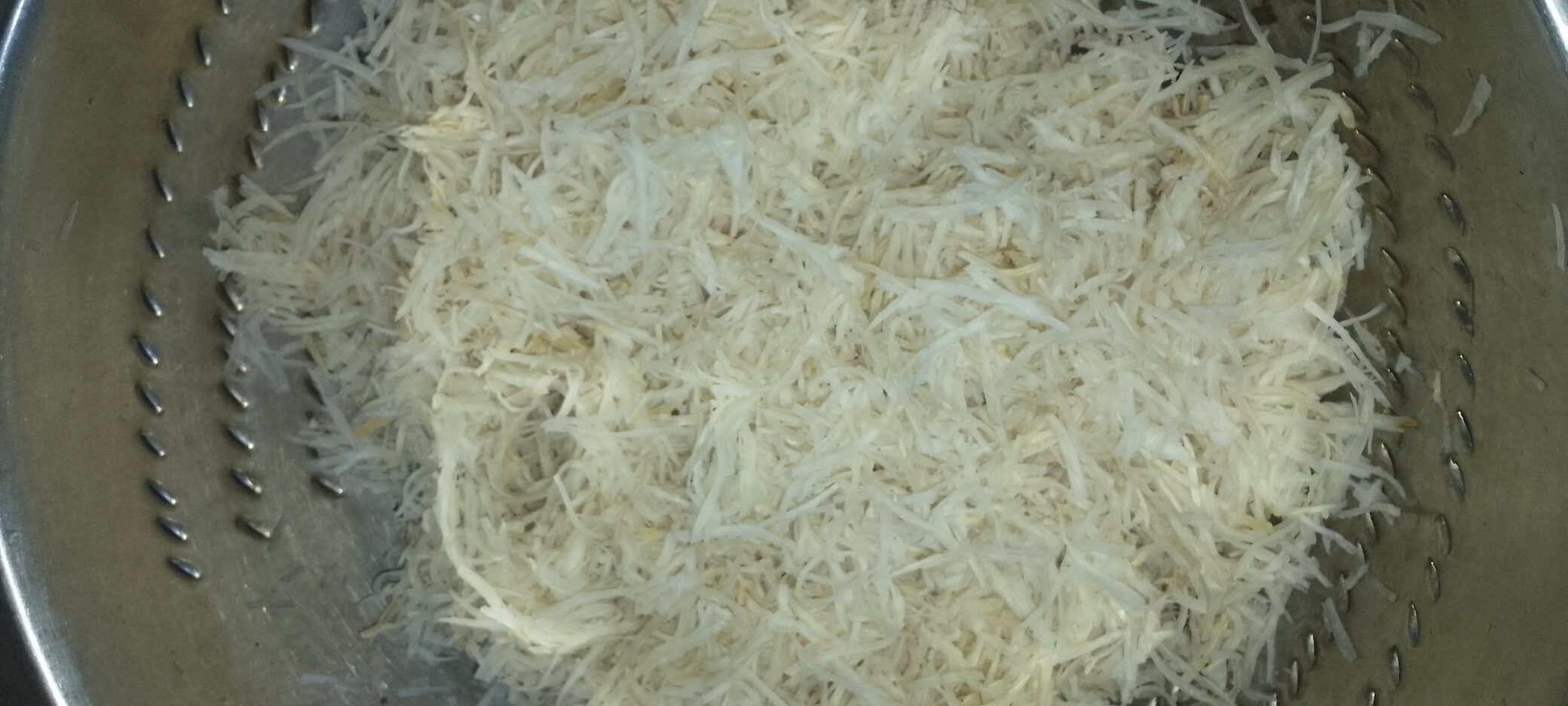
water inside the bowl. Turn and keep turning the sieve to make sure the Abacha is not overly dampen with water and also that the hot water touches all the Abacha evenly. In How to Prepare Abacha, this stage is crucial in the preparation of Abacha as the failure may cause the Abacha to lose its slightly firm texture.
Step 2: Prepare The Potash (Ngor)
Dissolve the food-grade potash in a small amount of warm water and allow any residue to settle. Carefully pour the clear liquid into a clean bowl, leaving the sediment behind. Its recommended you use native Potash Ngor instead of Akanwu. Ngor is chemical free and doesn’t cause purging. Alot of people reacts to Akanwu. So know the type that works for you.
Step 3: Prepare The Red Oil Sauce:
Ground roasted ehuru, light fry the pepper, crayfish and onwuruowu (Lake Victoria sardine), keep some portion of the crayfish and onwuruonwu (Lake Victoria sardine) and ground the rest.

If you are using frozen fish, i would recommend that you use red oil to fry it, as the oil will be used for the sauce, it adds yummy taste to the Abacha. Pour the red oil used to fry your fish inside the large mixing bowl, add more if the quantity is not enough. If you do not have red oil from fish frying, you can use normal red oil. Make sure the oil is not blocked, else melt it before pouring it into the mixing bowl.
Inside the oil, add the grounded items and the portion of crayfish and onwuruonwu i said you shouldn’t ground, add also the ogiri Igbo, Ugba (if you want to mix it together with the Abacha). You can add the native garden egg or slice garden if you don’t want to use them to garnish the Abacha during serving. Now after adding the ingredient to the oil, mix them thoroughly using wooden spoon or your hand if properly washed. After that, add your potash/Ngor (remain a little quantity) and stir, the color would become yellowish. Taste for salt.
Step 4: Add The Abacha:
Add the softened Abacha to the palm oil mixture and toss gently until every strand is evenly coated. Keep turning gently until the Abacha mixes perfectly with the sauce.

Step 5: Mix The Ugba
If you did not add the Ugba when you are preparing the sauce, that is you want to use to garnish the Abacha. Pour little red oil inside a plate/bowl, add little potash/Ngor, a pitch of salt. Stir the mixture and add the ugba. Mix them very well. Make sure it is not watery. If you are using stockfish and kpomo, follow the same step with mixing ugba and mix them too. This gives them great taste and yummy look. Set them aside.
Step 6: Get The Toppings Ready:
Sliced onions, fresh tomatoes, cucumber, smoked fish, kpomo, cooked beef, stockfish, garden eggs, and chopped utazi leaves according to your preference.
Step 7: Mix And Serve:

Get a clean serving plate, scoop desired quantity of prepared Abacha, add, ugba and other toppings side by side in an appealing sweet order and serve immediately while fresh. You can garnish it with cooked eggs

Guide For The Best Abacha:
- Use fresh ugba for the best flavor.
- Avoid soaking the Abacha, pour the hot water and remove the sieve immediately, as it may become overly soft.
- Add utazi leaves just before serving to retain their fresh taste.
- Use quality palm oil for authentic flavor and color.
- Adjust the pepper level to suit your preference.
- Mix gently to avoid breaking the cassava strands.
Common Mistakes To Avoid:
- Using too much potash, which can affect the taste.
- Oversoaking the Abacha until it becomes mushy.
- Adding too much salt before tasting.
- Using stale palm oil.
- Not mixing the ingredients properly.
Health Benefits Of Abacha:
Abacha (African Salad) is naturally high in carbohydrates because it is made from cassava. However, when served with ugba, fish, meat, and fresh vegetables, it becomes a more balanced and nutritious meal that provides energy, protein, fiber, and essential nutrients.
Source of Energy
Cassava is rich in carbohydrates, making Abacha a good source of energy.
Contains Healthy Plant Foods
Ugba, onions, and garden eggs contribute fiber and other beneficial nutrients.
Protein Options
Adding fish, beef, or kpomo increases the protein content of the meal.
Rich in Flavorful Natural Ingredients
Traditional seasonings such as crayfish, utazi, and ehuru add depth of flavor while contributing their own nutritional qualities.
What To Serve Abacha With:
Abacha on its own is so delicious that it can be eaten alone. Though it be paired with
- Palm wine
- A glass of Zobo
- Roasted meat
- Grill fish
- Soft drink
Storage Tips
Abacha tastes best when freshly prepared.
If you have leftovers:
- Store them in an airtight container in the refrigerator.
- Consume within 24 hours for the best taste and texture.
Best Reheating Method
Abacha is traditionally served at room temperature and is not usually reheated. If it has been refrigerated, allow it to sit at room temperature for a few minutes, reheat and serve.
Frequently Asked Questions
What is ugba?
Ugba is fermented African oil bean seed, a traditional ingredient that gives Abacha its distinctive flavor and texture.
Can I prepare Abacha without potash?
Yes. Some people prepare Abacha without potash, although the palm oil may not achieve the same creamy consistency.
Can I make Abacha ahead of time?
Yes, but it is best enjoyed shortly after preparation. If making it ahead, add fresh vegetables and utazi leaves just before serving.
Is Abacha spicy?
The spice level depends on how much native spice you add. You can easily adjust it to suit your taste.
Can I make a vegetarian version?
Yes. Simply omit the fish, beef, and kpomo, and increase the amount of vegetables if desired.
Finally my lovely Readers, With the unique combination of shredded cassava, ugba, palm oil, and fresh toppings, it’s easy to see why this delicacy remains a favorite at homes and celebrations alike. Whether you’re preparing it for a family lunch, a festive gathering, or simply to enjoy a taste of home, this easy Abacha recipe will help you create a delicious and authentic meal. Try it today, customize it with your favorite toppings, and share it with family and friends.
Thank You For Reading!