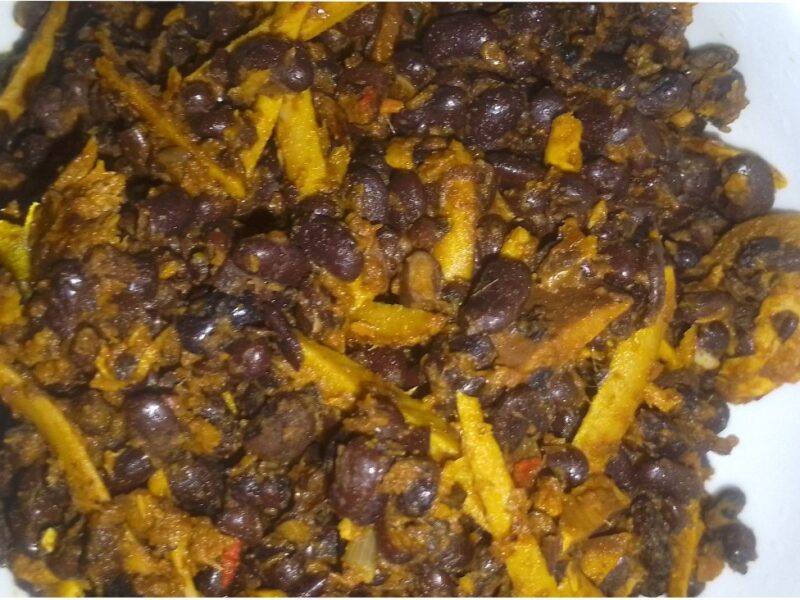
How to Cook Ukwa (African Breadfruit) – A Traditional Nigerian Recipe
Ukwa, also known as African breadfruit, is a cherished traditional food enjoyed in many parts of Nigeria, especially in southeastern Nigeria. It is prepared from the seeds of the African breadfruit tree and can be cooked into a delicious, satisfying meal with a naturally rich and distinctive taste.
For many people, Ukwa is more than just food. It is one of those traditional meals that reminds you of home, family, and the familiar flavours of Nigerian cooking.
Ukwa can be enjoyed in different ways. You can eat it as white Ukwa, where the cooked seeds are served with their broth, or turn it into a delicious Ukwa porridge with red palm oil, pepper, onion, and crayfish.
In this recipe, I’ll show you how I cook my Ukwa using a regular cooking pot. I’ll also explain how Ukwa can be processed from the original seed, how to prepare dried or fresh processed Ukwa, and two different ways to make Ukwa porridge.
Why You’ll Love This Ukwa Recipe
There are several reasons to love Ukwa:
- It has a unique, naturally delicious flavour.
- It can be prepared as white Ukwa or palm-oil porridge.
- It is filling and satisfying.
- It is a wonderful traditional Nigerian meal.
- It can be prepared ahead and reheated.
- You can enjoy it with its delicious broth or turn it into a richer palm-oil porridge.
- The cooking method is simple once the Ukwa has been properly processed.
One thing I particularly enjoy about Ukwa is its versatility. You can keep it simple and enjoy the natural taste of the cooked seeds, or add palm oil, pepper, onion, and crayfish for a more flavourful porridge.
What Is Ukwa?
Ukwa is the seed of the African breadfruit tree. The seeds are traditionally processed, cooked, and eaten as a meal.
Ukwa is usually sold in different forms. You may find it as an unprocessed seed with its shell still intact, or you can buy it already processed and ready for cooking.
If you purchase Ukwa that still has its shell, you will need to process it before cooking. This involves parboiling the seeds, removing the shell, allowing them to air, and then threshing and picking them to separate the edible seeds from the remaining shell and debris.
If you prefer to save time, you can buy already processed Ukwa from a trusted vendor.
How to Process Ukwa From the Seed
If you have Ukwa seeds with the shell still attached, you can process them at home, although it requires some time and patience.
Step 1: Wash and Parboil the Ukwa
Wash the Ukwa seeds thoroughly and put them into a pot.
Add enough water to cover the seeds generously.
Place the pot on the heat and allow the Ukwa to parboil for about 15 minutes.
Turn off the heat and carefully sieve out the hot water.
Step 2: Remove the Shell
There are different ways to remove the shell.
You can take the parboiled Ukwa to an industrial grinding or processing shop where the shell can be removed.
Alternatively, you can use a blender carefully for the extraction process.
Another traditional method is to do it manually.
Spread a moderate quantity of the parboiled Ukwa on a clean floor or suitable clean surface. Using a round bottle, such as a large dry-gin bottle, gently roll the bottle over the Ukwa seeds.
Continue rolling gently and consistently until the shells separate from the seeds.
Be careful not to crush the seeds unnecessarily.
Step 3: Air the Ukwa
After removing the shells, spread the Ukwa out and allow it to air.
Airing the Ukwa helps loosen the remaining shells and makes the subsequent threshing process easier.
Step 4: Thresh and Pick
After airing, thresh the Ukwa and pick through it using a tray.
Remove the remaining shells, dirt, and unwanted particles until you are left with clean Ukwa seeds ready for cooking.
Don’t Want to Process Ukwa Yourself?
You don’t have to go through all these steps.
You can buy already processed and threshed Ukwa, which is much more convenient, especially if you are preparing it for the first time.
Processed Ukwa may be sold as fresh Ukwa or dried Ukwa.
Fresh Ukwa vs. Dried Ukwa
If you are using dried Ukwa, soak it in clean water for approximately 2–3 hours, depending on how dry it is.
If you are using fresh processed Ukwa, carefully pick through it to remove debris and unwanted particles.
Wash it thoroughly about three times with clean water before cooking.
A Note About Ukwa and Ngor (Potash)
One traditional practice associated with cooking Ukwa is the use of ngor, also known as potash, to help the seeds soften during cooking.
There is also a traditional belief among some Ukwa cooks that certain processing practices can affect how quickly the seeds cook. Some vendors may use a catalyst during processing to help maintain the appearance of the seeds without breaking them.
In my experience, Ukwa with naturally broken seeds tends to have a better chance of cooking properly when ngor is used.
However, if you use a pressure pot, the cooking time is considerably reduced, and you may not need to use potash.
If you choose to use ngor, use it sparingly.
Ingredients for Cooking Ukwa
For my Ukwa recipe, you will need:
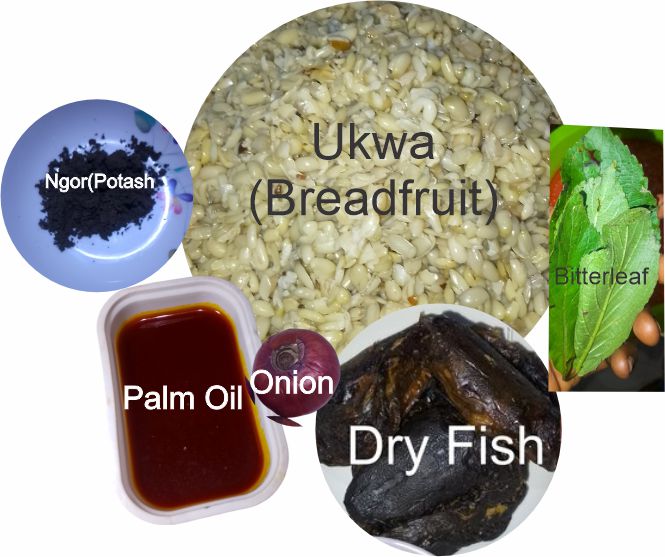
- Processed Ukwa
- Clean water
- 1 teaspoon ngor (potash)
- 1 cup clean water for dissolving the ngor
- 10 fresh bitterleaf leaves
- Dry fish
- Salt to taste
For Ukwa Porridge
You will also need:
- Red palm oil
- Fresh pepper
- Onion
- Crayfish (optional)
- Salt to taste
Some Nigerian Recipes You’ll Love:
- How to prepare Akidi with Ugba
- How to cook Igboka (Traditional Corn flour Delicacy)
- How to cook White soup (Ofe Nsala)
- How to cook Egusi Soup with Bitterleaf (Onugbu)
- How to cook Afang Soup
- How to cook Bitterleaf Soup
- How to prepare Abacha
- 6 Natural spice that transforms your cooking
- How to cook Okra Soup with Ugu
- How to cook Egusi Soup with Ugu
- How to prepare Porridge Yam with Vegetable
- How to cook Ogbono Soup with Okra
- How to cook Okpa (Bambara nut flour)
- How to cook Ofe Oha (Oha Soup)
- How to cook Ofe Akwu (Banga Stew)
- Healthy Alternatives to Maggi
Kitchen Equipment Needed
- Large cooking pot
- Wooden spatula
- Bowl
- Kitchen sieve or cheesecloth
- Tray
- Knife
- Measuring cup
How to Cook Ukwa in a Regular Pot
This is how I personally cook my Ukwa using a regular cooking pot.
Step 1: Wash the Ukwa
Pick through the already processed Ukwa and remove any remaining debris.
Wash it thoroughly and put the clean Ukwa into a clean cooking pot.
Step 2: Add Plenty of Water
Pour enough clean water into the pot to cover the Ukwa generously.
I prefer adding plenty of water at this stage because I don’t want to keep opening the pot during cooking to check the water level.
Step 3: Prepare the Ngor
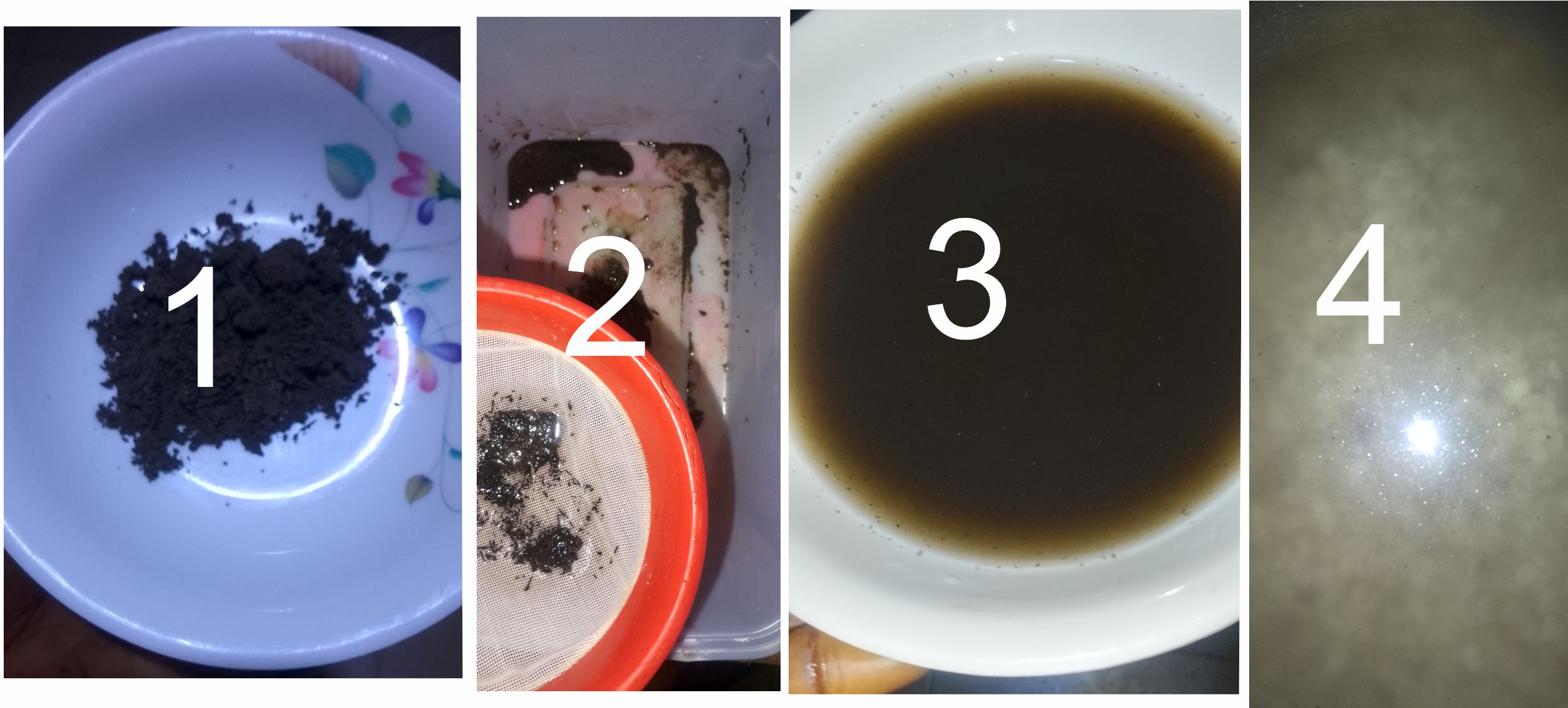
Put 1 teaspoon of ngor (potash) into a small plate or bowl.
Add 1 cup of clean water and dissolve it thoroughly.
Sieve the mixture through cheesecloth or a fine kitchen sieve with tightly closed holes.
This helps remove any unwanted particles before adding the liquid to the Ukwa.
Step 4: Add the Ngor Solution
Pour the sieved ngor solution into the pot containing the Ukwa.
Stir everything thoroughly with a wooden spatula.
Traditionally, some Ukwa cooks prefer using a wooden utensil rather than an iron spoon while the Ukwa is still cooking. This is a traditional belief associated with Ukwa preparation, so I personally stick to a wooden spatula throughout the cooking process.
Step 5: Cook the Ukwa
Place the pot on the heat and allow the Ukwa to cook uninterrupted for about 1 hour and 20 minutes.
Try not to open the pot repeatedly during this period.
If you are using a pressure pot, you can cook the Ukwa for about 45 minutes before checking it.
Cooking time may vary depending on the type and condition of the Ukwa, so use tenderness as your main guide.
Add Bitterleaf and Dry Fish

After about 1 hour and 20 minutes, check the Ukwa.
At this point, add about 10 leaves of fresh bitterleaf and the dry fish.
Don’t worry about the bitterleaf making your Ukwa bitter. In this preparation, it adds a distinctive native flavour without making the finished Ukwa unpleasantly bitter.
Cover the pot and allow it to cook for another 10 minutes.
Add salt to taste.
Interestingly, Ukwa already has a naturally pleasant taste, so you don’t necessarily need much salt.
Your Ukwa is now ready.
How to Serve White Ukwa
If you prefer white Ukwa, you have two options.
You can sieve out the broth and serve the cooked Ukwa and broth separately.
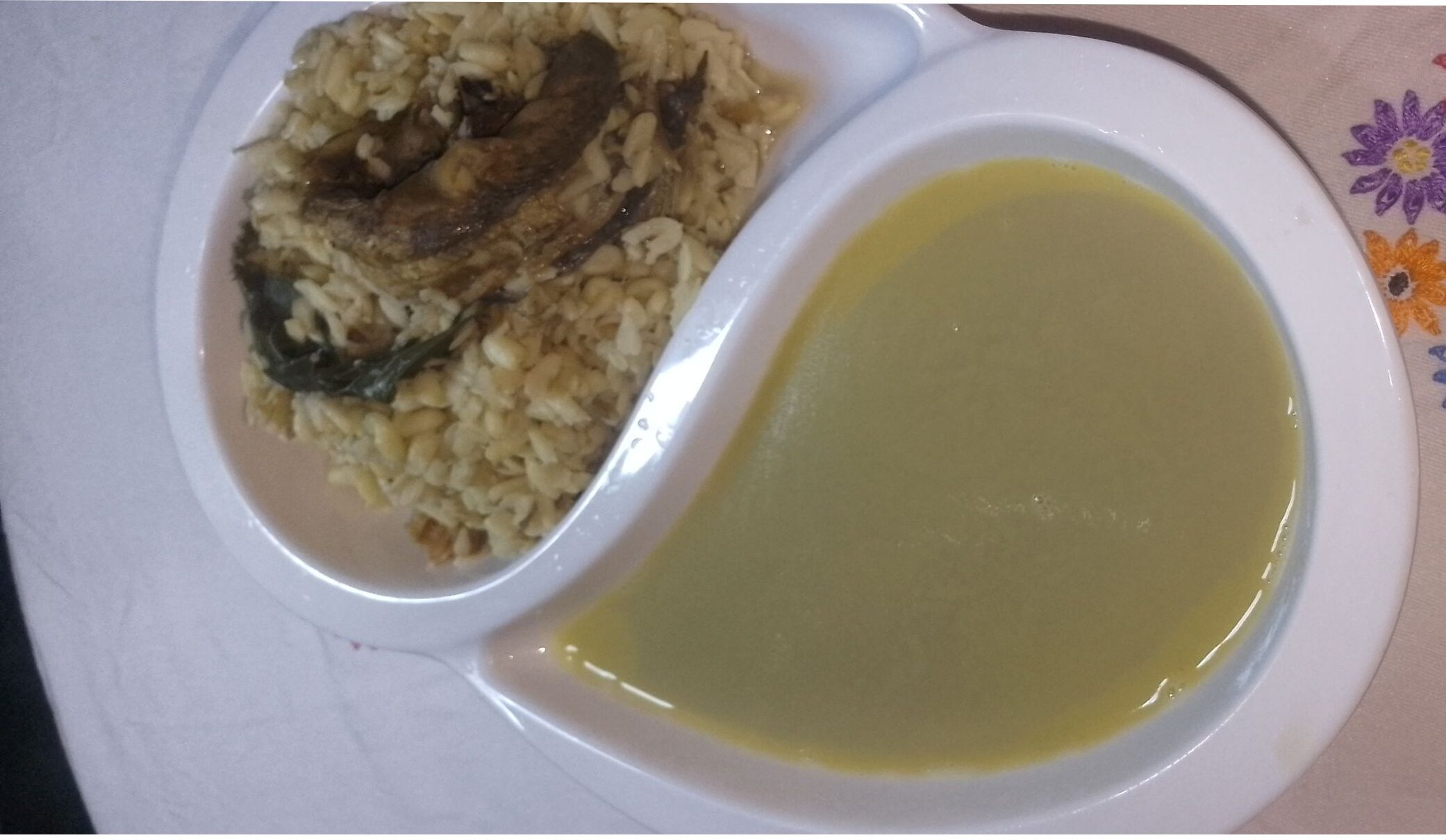
When eating, take a spoonful or two of Ukwa and then use your spoon to take some of the delicious broth.
Alternatively, you can leave the Ukwa in the broth and serve it together as a white Ukwa porridge.
The choice really comes down to personal preference.
How to Cook Ukwa Porridge With Palm Oil
If you prefer your Ukwa richer and more flavourful, you can turn it into a palm-oil porridge.
There are two methods I use.
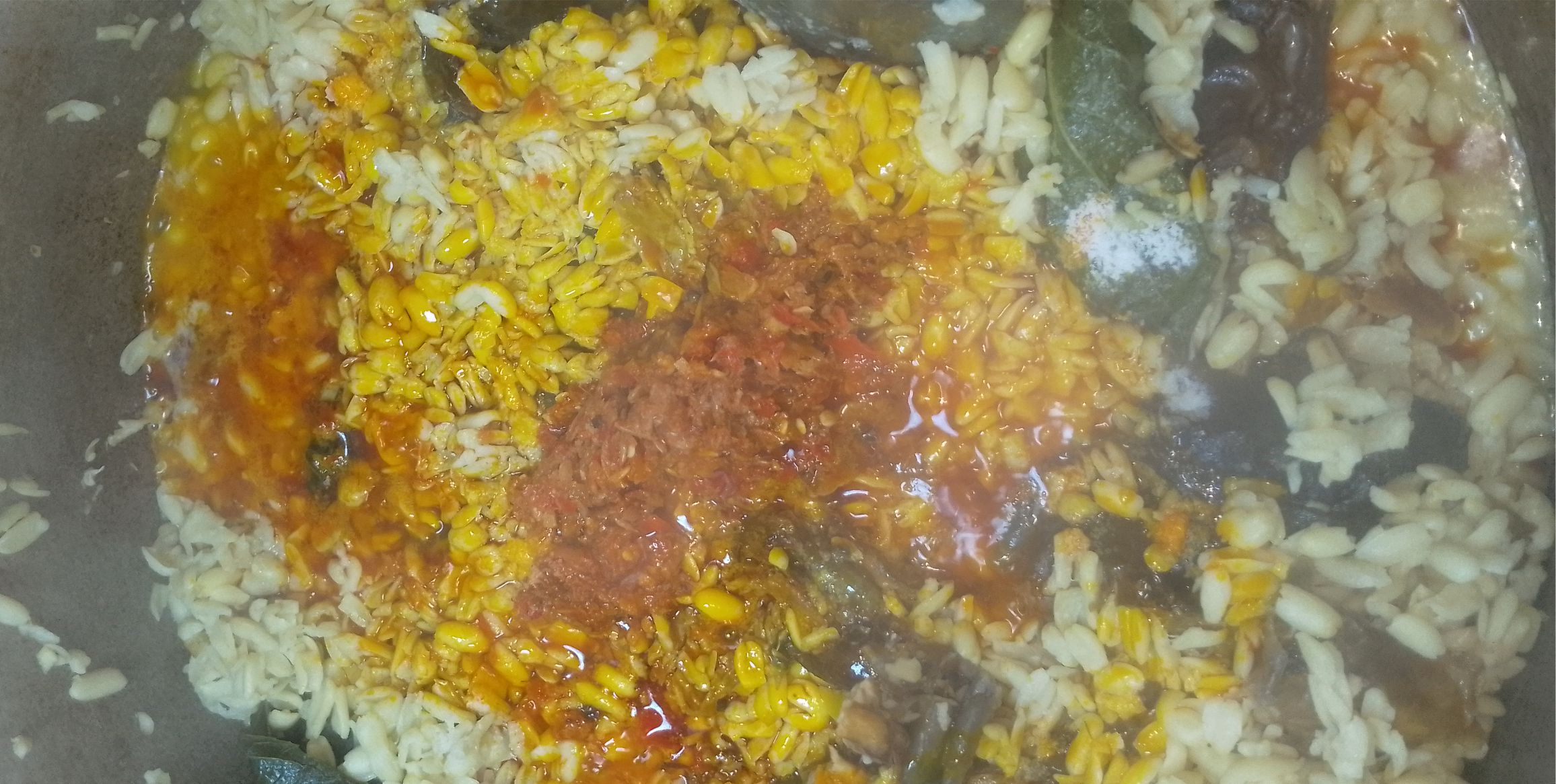
Method 1: Fried Palm-Oil Ukwa
When the Ukwa has cooked until soft, sieve out the broth and keep the Ukwa separately.
Place a dry pot on the stove and add about half a milk cup of red palm oil.
Add:
- Salt
- Sliced onion
- Blended pepper
- 1 teaspoon crayfish, if desired
Place the pot on the heat and allow the ingredients to fry lightly.
Add the cooked Ukwa and stir thoroughly until the palm oil and other ingredients are evenly mixed with the Ukwa.
Taste and adjust the salt if necessary.
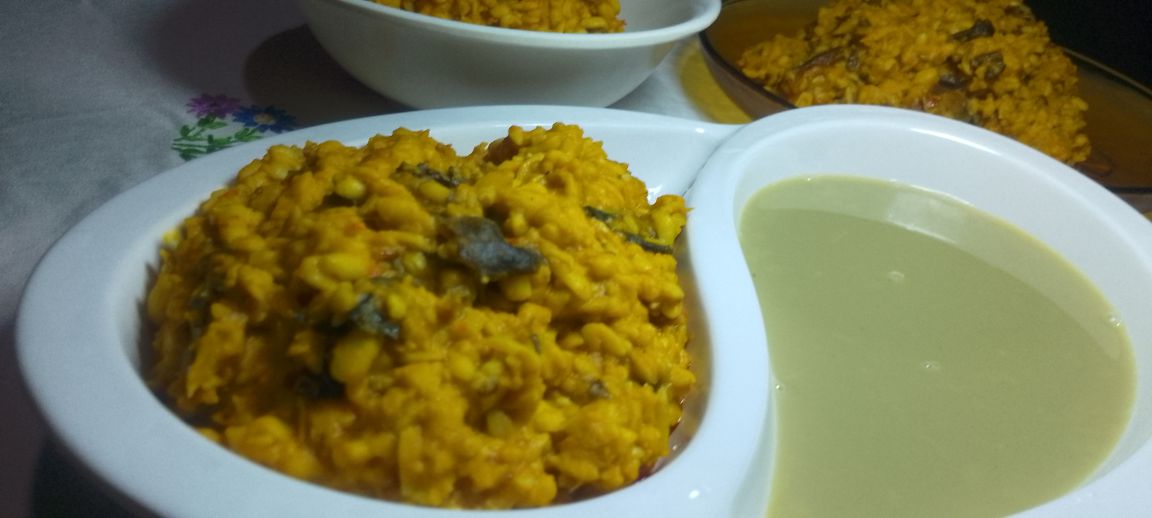
Serve the Ukwa with the broth in a separate plate.
Method 2: One-Pot Ukwa Porridge
If you don’t want to use the frying method, you can make your Ukwa porridge directly in the cooking pot.
Allow the white Ukwa to cook until the water has reduced moderately.
Add:
- Red palm oil
- Salt
- Chopped pepper
- Crayfish, if desired
Allow it to cook for another 10 minutes.
Stir occasionally and allow the broth to thicken until it reaches your preferred consistency.
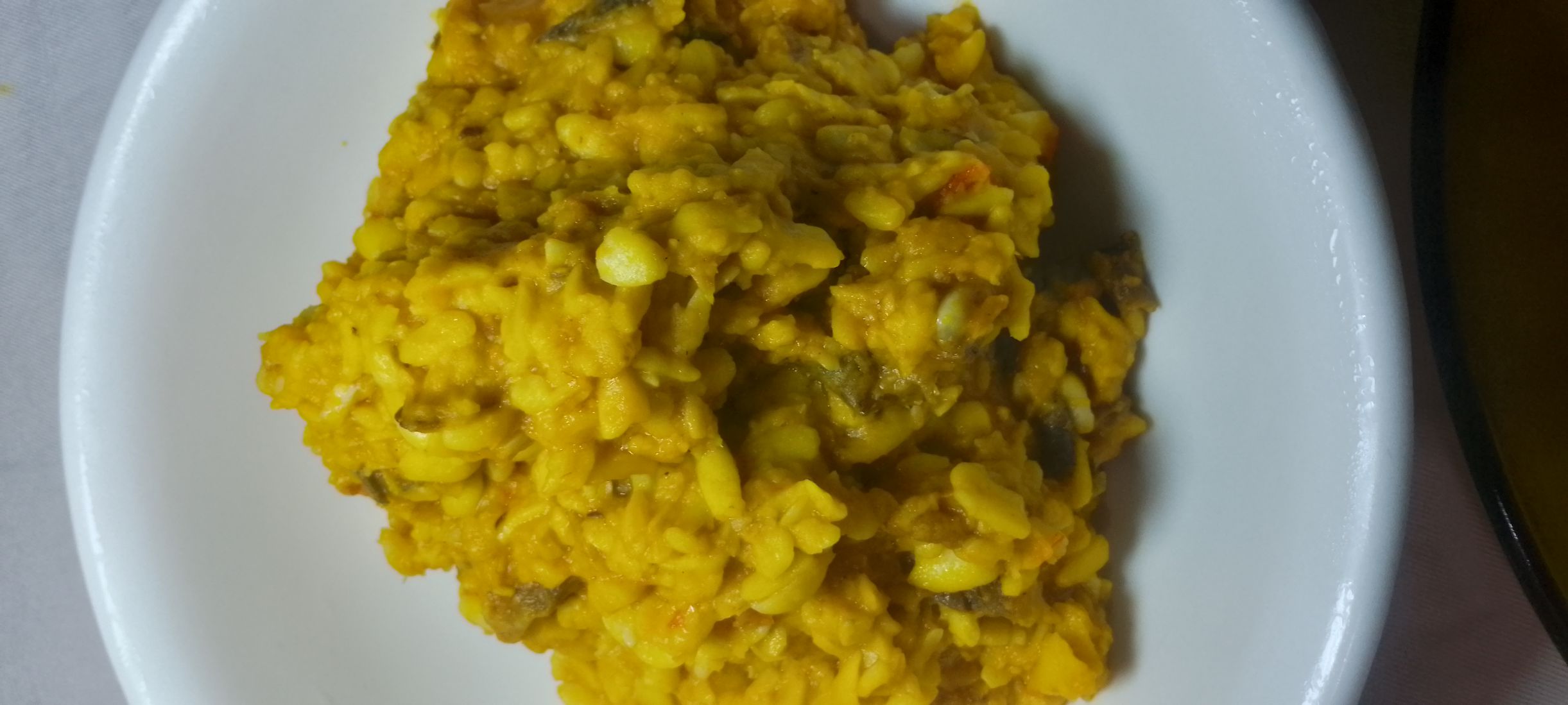
Turn off the heat and serve hot.
Tips for Cooking Delicious Ukwa
1. Use enough water
Ukwa takes time to soften, particularly when cooked in an ordinary pot. Adding enough water at the beginning reduces the need to repeatedly open the pot.
2. Be patient
Don’t rush the cooking process. Properly cooked Ukwa should be soft and pleasant to eat.
3. Wash processed Ukwa properly
Even processed Ukwa can contain small pieces of shell or debris, so pick through it carefully and wash it thoroughly before cooking.
4. Use ngor sparingly
If you decide to use potash, a small amount is enough. Always dissolve and sieve it before adding it to the pot.
5. A pressure pot can save time
If you have a pressure pot, it can significantly reduce the cooking time.
6. Don’t be afraid of the bitterleaf
A small amount of fresh bitterleaf can add a beautiful traditional flavour to Ukwa without making the dish bitter.
7. Let the broth work for you
The broth from properly cooked Ukwa is delicious and can be enjoyed alongside the cooked seeds.
Common Mistakes to Avoid When Cooking Ukwa
Using too little water: Ukwa needs sufficient water to cook properly.
Not washing the seeds properly: Always inspect and wash processed Ukwa before cooking.
Adding too much potash: If you use ngor, use it sparingly.
Cooking on high heat without enough water: This can cause the water to dry out before the Ukwa becomes tender.
Opening the pot too frequently: Constantly checking the pot can interrupt the cooking process and allow too much steam to escape.
Adding too much salt: Ukwa has a naturally pleasant taste, so start with a small amount of salt and adjust at the end.
What Can You Eat With Ukwa?
Ukwa is satisfying on its own, particularly when served with its broth.
You can enjoy it as:
- White Ukwa with its broth
- Ukwa porridge with palm oil
- Ukwa with pepper and crayfish
- Ukwa served with the broth separately
- You can cook it together with corn
The best way to enjoy it is really a matter of personal preference.
How to Store Cooked Ukwa
Allow cooked Ukwa to cool before transferring it into a clean, airtight container.
Store it in the refrigerator and reheat thoroughly before serving.
If you have prepared a large quantity, you can also divide it into portions before storing so you only reheat what you need.
I observed that Ukwa cooked without potash lasts longer after repeated reheating
Frequently Asked Questions About Ukwa
What is Ukwa?
Ukwa is the edible seed of the African breadfruit tree. It is traditionally prepared and eaten as a meal in Nigeria, particularly in southeastern Nigerian cuisine.
How long does Ukwa take to cook?
Cooking time depends on the type and condition of the Ukwa and the cooking method. In a regular pot, my method takes about 1 hour and 20 minutes, followed by another 10 minutes after adding the bitterleaf and dry fish. A pressure pot can reduce the cooking time considerably.
Do I need to soak dried Ukwa?
Yes. If you are using dried Ukwa, soaking it for about 2–3 hours can help prepare it for cooking. The exact soaking time depends on how dry the Ukwa is.
Can I cook Ukwa without potash?
Yes. A pressure pot can help soften Ukwa considerably, and some people prefer cooking it without potash. If you use a regular pot, some traditional cooks use ngor to help with the cooking process. You can cook ukwa with regular pot without using potash but most times it takes longer than the expected time.
Does bitterleaf make Ukwa bitter?
Not when used in the small quantity described in this recipe. The fresh bitterleaf adds a distinctive native flavour to the Ukwa.
Can I use a pressure cooker to cook Ukwa?
Yes. A pressure pot can significantly reduce the cooking time. With my method, I recommend checking it after about 45 minutes, but tenderness should ultimately determine when it is ready.
Can Ukwa be eaten as porridge?
Absolutely. After the Ukwa becomes soft, you can prepare it as a palm-oil porridge using red palm oil, pepper, onion, salt, and optional crayfish.
Final Thoughts
Ukwa is one of those traditional Nigerian foods that deserves to be celebrated. From processing the seeds to patiently cooking them until tender, preparing Ukwa is a process that connects food with tradition and experience.
What I love most about Ukwa is that it doesn’t need complicated ingredients to taste good. Properly cooked Ukwa already has a naturally delicious flavour. You can enjoy it simply with its broth or transform it into a richer palm-oil porridge with pepper, onion, and crayfish.
For me, adding fresh bitterleaf and dry fish toward the end of cooking gives the Ukwa a special native flavour that makes the meal even more enjoyable.
Whether you’re cooking Ukwa for the first time or preparing a meal that reminds you of home, I hope this recipe helps you make a delicious and satisfying pot.
If you try this recipe, I’d love to hear how you enjoyed it. Did you prefer your Ukwa white with the broth on the side, or did you turn yours into palm-oil porridge?
Happy cooking! ❤️