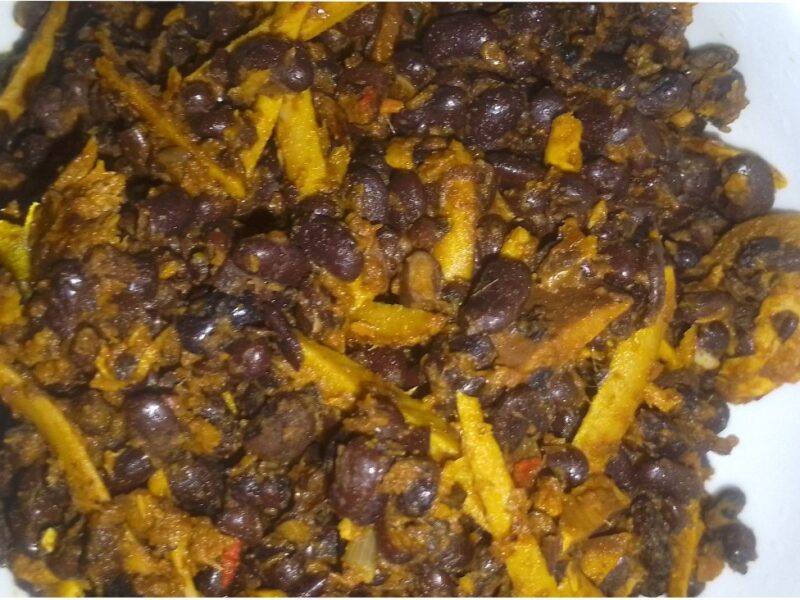
How to Cook White Soup (Nsala Soup/Ofe Nsala) – Authentic Nigerian Recipe
White Soup, popularly known as Nsala Soup or Ofe Nsala, is a delicious traditional Nigerian soup known for its light colour, rich flavour, and generous combination of proteins. Unlike many Nigerian soups that rely on palm oil for their colour and flavour, Nsala Soup is prepared without palm oil, allowing the natural flavours of the fish, meat, crayfish, spices, and other ingredients to shine through.
One of the things I love most about Nsala Soup is the variety of proteins. The combination of assorted meat, liver, stockfish, dry fish, and fresh fish creates a depth of flavour that makes every spoonful incredibly satisfying.
Another thing I particularly enjoy is that Nsala Soup does not need Maggi or other seasoning cubes to taste delicious. The combination of the proteins, crayfish, Uziza, pepper, and Ogiri Igbo gives the soup a naturally rich and savoury taste.
In this recipe, I’ll show you exactly how I cook my Nsala Soup, including how I use pounded yam to thicken the soup and my simple trick for helping the yam dissolve quickly into a smooth soup base.
Why You’ll Love This Nsala Soup Recipe
There are many reasons to try this traditional Nigerian White Soup:
- It is rich, flavourful, and satisfying.
- It is prepared without palm oil.
- The variety of proteins gives the soup an incredibly rich taste.
- It does not require Maggi or seasoning cubes.
- Uziza, crayfish and Ogiri Igbo give it a distinctive traditional flavour.
- Pounded yam creates a smooth and delicious soup base.
- You can adjust the thickness to your preference.
- It pairs beautifully with pounded yam and other Nigerian swallows.
- It is perfect for family meals, celebrations, and special occasions.
What Is Nsala Soup?
Nsala Soup, also called Ofe Nsala or White Soup, is a traditional Nigerian soup prepared without palm oil. It gets its characteristic light colour from the ingredients used rather than from a red oil-based soup base.
The soup is commonly prepared with fish and assorted proteins and thickened with a starchy ingredient such as pounded yam. Depending on the cook and the region, the ingredients and preparation methods may vary.
The beauty of Nsala Soup is in its simplicity. Without palm oil or heavy seasoning, the natural flavours of the proteins, crayfish, pepper, Uziza, and traditional seasonings become the stars of the dish.
Ingredients for Nsala Soup
To prepare my version of White Soup, you will need:
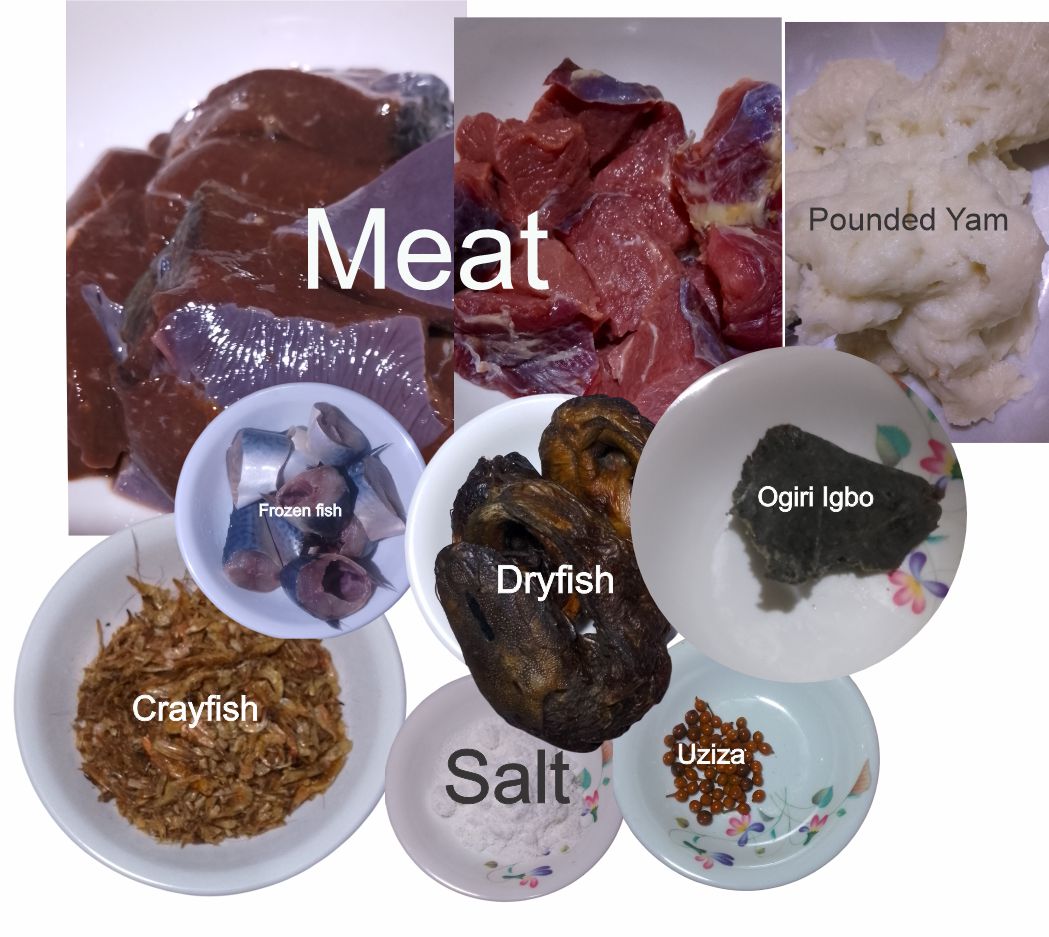
- 10 moderate-sized square pieces of yam
- Uziza seeds
- Ogiri Igbo
- Ground crayfish
- Fresh pepper
- Frozen fish
- Dry fish
- Assorted meat
- Liver
- Stockfish
- Salt to taste
- Water as needed
Some Nigerian Recipes You’ll Love:
- How to prepare Akidi with Ugba
- How to cook Igboka (Traditional Corn flour Delicacy)
- How to cook Ukwa (African Breadfruit)
- How to cook Egusi Soup with Bitterleaf (Onugbu)
- How to cook Afang Soup
- How to cook Bitterleaf Soup
- How to prepare Abacha
- 6 Natural spice that transforms your cooking
- How to cook Okra Soup with Ugu
- How to cook Egusi Soup with Ugu
- How to prepare Porridge Yam with Vegetable
- How to cook Ogbono Soup with Okra
- How to cook Okpa (Bambara nut flour)
- How to cook Ofe Oha (Oha Soup)
- How to cook Ofe Akwu (Banga Stew)
- Healthy Alternatives to Maggi
Why I Use Different Types of Protein
One of the secrets to a delicious Nsala Soup is the variety of protein.
I use assorted meat, liver, stockfish, dry fish, and frozen fish. Each one contributes its own flavour and texture to the soup, creating a rich broth without the need for seasoning cubes.
You can adjust the proteins according to what is available to you, but I recommend using a combination rather than relying on only one type.
Kitchen Equipment
You will need:
- Cooking pot
- Knife
- Wooden spoon or cooking spoon
- Blender or mortar and pestle
- Sieve
- Cooking bowl
- Cutting board
How to Cook Nsala Soup (White Soup)
Step 1: Prepare the Yam
Start by peeling and washing the yam.
Cut the yam into about 10 moderate-sized square pieces and place them in a clean pot.
Add enough water and boil until the yam becomes completely soft.
Once the yam is cooked, sieve out the water.
Transfer the cooked yam into a blender and blend until smooth. Alternatively, you can pound the yam until it becomes smooth and lump-free.
Set the smooth pounded yam aside.
Why Pounded Yam Is Used in Nsala Soup
The pounded yam serves as the thickener for the soup. As it dissolves into the broth, it gives Nsala Soup its characteristic smooth and thick consistency.
One useful trick I’ve learned is to avoid putting one large mass of pounded yam directly into the soup. Instead, I cut it into small moulds before adding it. This helps it dissolve much faster.
Step 2: Cook the Meat
Wash the assorted meat and liver thoroughly and place them in a clean pot.
Add salt to taste and cook until the meat is about halfway done.
At this stage, you want the meat to have started becoming tender but still have enough cooking time left for the other proteins to cook properly.
Step 3: Add the Stockfish and Dry Fish
Add the stockfish and dry fish to the pot.
Continue cooking until the meat and fish are getting tender.
The stockfish and dry fish contribute a deep, traditional flavour to the broth.
Step 4: Add the Fresh Fish and Seasonings
When the meat and other proteins are close to becoming tender, add the frozen fish.
Immediately add:
- Uziza
- Blended pepper
- Ground crayfish
- Ogiri Igbo
Cover the pot and allow everything to cook together for about 3 minutes.
At this stage, the broth begins to take on the distinctive aroma and flavour of traditional Nsala Soup.
Step 5: Add the Pounded Yam
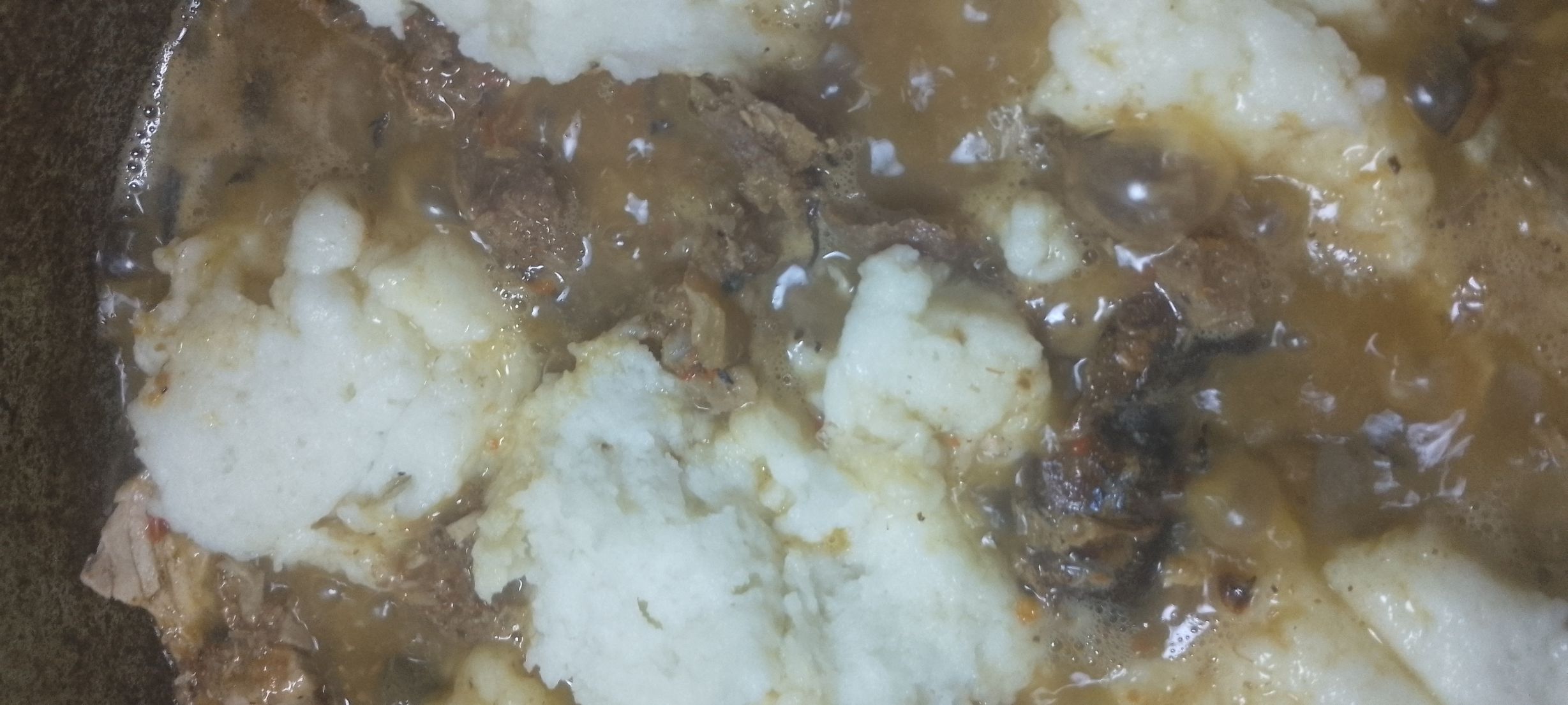
Now comes an important part of the cooking process.
Using a spoon, take small portions of the pounded yam and cut them into small moulds before putting them into the soup.
This is a technique I personally use because small pieces dissolve much faster than large pieces of pounded yam.
If you add a large lump of pounded yam to the soup, it will take considerably longer to dissolve and may leave lumps in the soup.
Add the small moulds gradually.
Step 6: Allow the Yam to Dissolve
Cover the pot and allow the soup to cook.
However, check the soup at short intervals.
This is important because the pounded yam thickens the soup and the soup base can stick to the bottom of the pot if it is left unattended for too long.
As you check the soup, also pay attention to its thickness.
If the soup has already reached your desired consistency but some pieces of pounded yam have not completely dissolved, you can remove the remaining pieces.
Then stir the soup thoroughly until the dissolved yam forms a smooth soup base.
Step 7: Adjust the Consistency
I personally prefer my Nsala Soup thick, so I allow the pounded yam to create a rich, thick soup base.
If you prefer a lighter or slightly watery Nsala Soup, simply add a little water until you reach the consistency you prefer.
Don’t add too much water at once. Add a small quantity, stir, and check the consistency before adding more.
Step 8: Taste and Serve
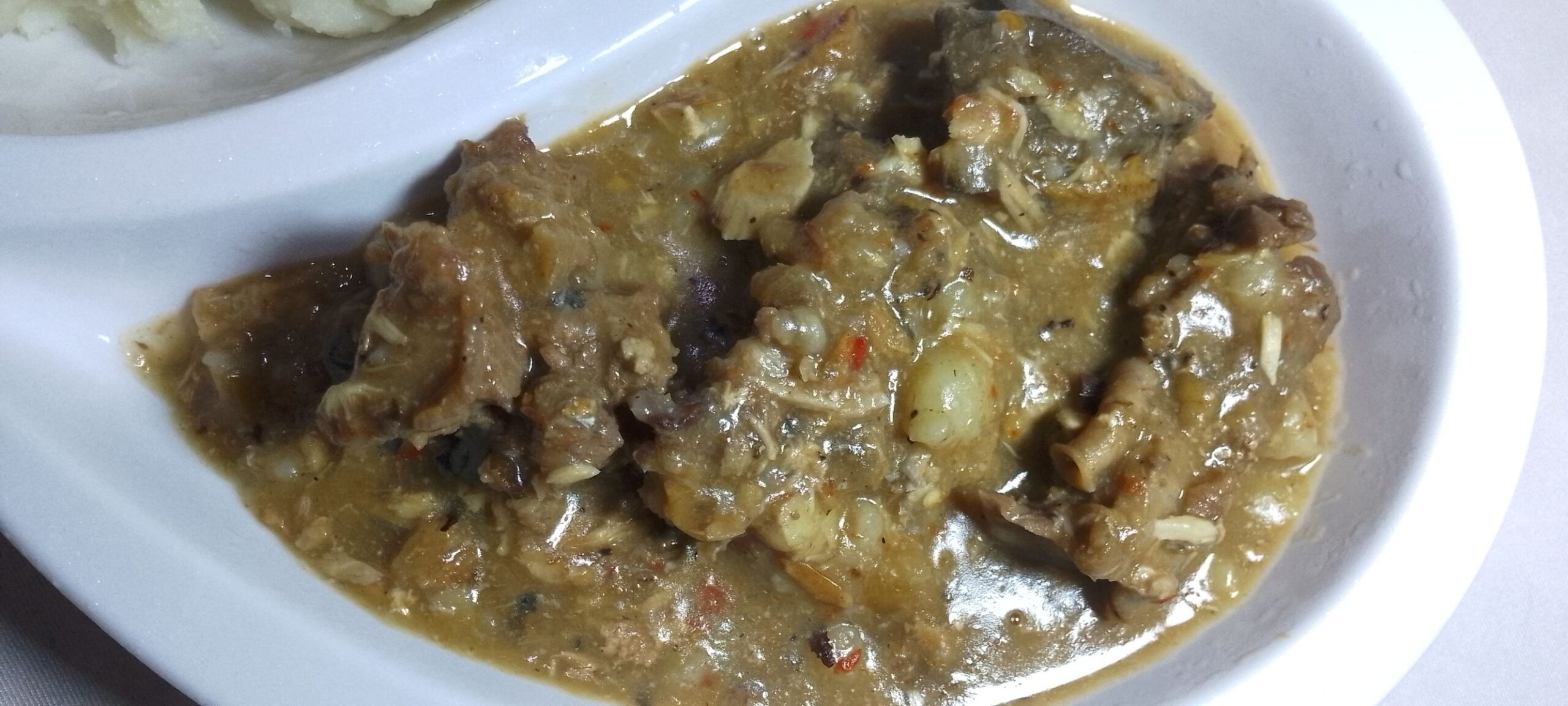
Taste the soup and adjust the salt if necessary.
Once the soup has reached your desired consistency and the flavours have blended beautifully, turn off the heat.
Your delicious Nsala Soup is ready!
My Secret to a Delicious Nsala Soup
For me, the sweetness of Nsala Soup comes from the variety of proteins.
Assorted meat, liver, stockfish, dry fish, and frozen fish all contribute different flavours to the soup. Instead of depending on Maggi or seasoning cubes, I allow these natural ingredients, together with crayfish, pepper, Uziza, and Ogiri Igbo, to create the flavour of the soup.

And honestly, Nsala Soup tastes great without Maggi.
If you have never tried making it this way, why not give it a try?
How to Make Nsala Soup Thick or Light
The thickness of Nsala Soup is largely determined by the amount of pounded yam you use.
For thick Nsala Soup
Add enough pounded yam to create the thick consistency you prefer. Continue stirring as the yam dissolves until the soup becomes smooth.
This is how I prefer mine.
For lighter Nsala Soup
Use less pounded yam or add a little water after the yam has dissolved.
Add the water gradually until you achieve your preferred consistency.
Tips for Making the Best Nsala Soup
1. Use a variety of proteins
A combination of meat, fish, stockfish, dry fish, and liver gives the broth a deeper and richer flavour.
2. Cut the pounded yam into small pieces
This is one of my most useful tips. Small moulds of pounded yam dissolve much faster than one large lump.
3. Check the soup frequently after adding the yam
Pounded yam thickens the broth quickly, so don’t leave the pot unattended for too long.
4. Adjust the consistency gradually
If the soup becomes thicker than you want, add a little water and stir. Avoid adding too much water at once.
5. Don’t over-season it
The proteins, crayfish, Uziza, pepper, and Ogiri Igbo already contribute plenty of flavour. Taste the soup before deciding whether it needs additional salt.
6. Give the fish some care
When adding your fish, avoid excessive stirring that could break the fish into tiny pieces. You want the fish to remain visible and intact in the finished soup.
What to Serve With Nsala Soup
Nsala Soup is traditionally enjoyed with a variety of Nigerian swallows.
You can serve it with:

- Pounded yam
- Eba
- Fufu
- Semovita
- Wheat swallow
- Amala
- Your favourite swallow
I enjoyed mine with pounded yam, and honestly, the taste was out of this world! 😊
But you don’t have to limit yourself to pounded yam. Choose whichever swallow you enjoy most.
Can You Cook Nsala Soup Without Maggi?
Absolutely.
Nsala Soup can be delicious without Maggi or other seasoning cubes.
In this recipe, the combination of assorted meat, liver, stockfish, dry fish, frozen fish, crayfish, Uziza, pepper, and Ogiri Igbo provides plenty of flavour.
If your proteins are well cooked and properly seasoned, you may find that you don’t need seasoning cubes at all.
Frequently Asked Questions
What makes Nsala Soup white?
Nsala Soup is traditionally prepared without palm oil, which gives it its characteristic light or whitish appearance. Pounded yam is also used to thicken the soup and create its smooth texture.
Can I make Nsala Soup without pounded yam?
Pounded yam is traditionally used as a thickener in many Nsala Soup recipes. It is possible to use other thickeners depending on your preferred method, but pounded yam gives the soup a particularly smooth and traditional texture.
How do I prevent pounded yam from forming lumps in Nsala Soup?
Cut the pounded yam into small moulds before adding it to the soup. The smaller pieces dissolve faster and are easier to incorporate into the broth. Stir thoroughly as they dissolve.
How do I make Nsala Soup thicker?
Add more pounded yam gradually and allow it to dissolve completely. Remember to stir and monitor the soup closely because pounded yam thickens the broth quickly.
How do I make Nsala Soup less thick?
Add a small amount of water and stir thoroughly. Continue adding water gradually until the soup reaches your preferred consistency.
Can I cook Nsala Soup without Ogiri Igbo?
Yes, you can, although Ogiri Igbo contributes a distinctive traditional flavour. If you enjoy the characteristic taste of traditional Nsala Soup, I recommend using it.
Final Thoughts
Nsala Soup is one of those Nigerian dishes that proves you don’t need palm oil or seasoning cubes to create a deeply flavourful meal.
The secret is in the combination of proteins and traditional ingredients. Assorted meat, liver, stockfish, dry fish, frozen fish, crayfish, Uziza, pepper, and Ogiri Igbo come together to create a rich broth that is incredibly satisfying.
For me, the pounded yam is what brings everything together. Once it dissolves into the broth, it creates the smooth, thick soup base I love.
I enjoyed mine with pounded yam, and the taste was truly out of this world. 😊
If you love traditional Nigerian soups, this is definitely one recipe worth trying.
Give this Nsala Soup recipe a try and enjoy it with your favourite swallow. You may be surprised at just how delicious it can be without Maggi.
Happy cooking!