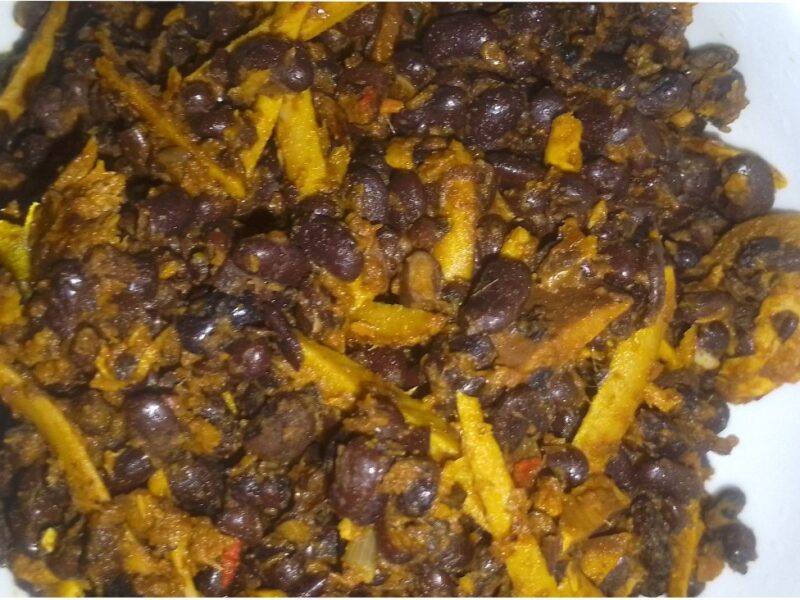
How to Cook Igboka – Traditional Igbo Corn Flour and Vegetable Delicacy
Igboka is a traditional Igbo delicacy made from corn flour and an abundance of fresh vegetables, fish, legumes, and other flavorful ingredients. It is one of those Nigerian dishes that celebrates the beauty of combining different local ingredients in one meal.
I like to describe Igboka as a festival of vegetables because of the variety of vegetables that go into it. Garden egg leaves, waterleaf, ugu, scent leaf, and native garden egg all contribute their own flavour, texture, and aroma, creating a delicious meal that is completely different from ordinary corn-based dishes.
What makes Igboka even more exciting is that you can customize it with ingredients that suit your taste. In my version, I use Ukpaka, Akidi, crayfish, Lake Victoria sardine(onwuruonwu), and ripe plantain. The ripe plantain is optional, but I highly recommend trying it because it adds a fantastic natural sweetness to the finished Igboka.
If you have never prepared Igboka before, don’t worry. In this recipe, I’ll show you exactly how I prepare mine, from preparing the corn base and vegetables to wrapping and cooking it until perfectly done.
Why You’ll Love This Igboka Recipe
There are many reasons to try this traditional Igbo delicacy:
- It contains a wonderful variety of vegetables.
- It is rich in flavour and texture.
- The corn base makes it filling and satisfying.
- Ukpaka adds a delicious traditional taste.
- Lake Victoria sardine adds a pleasant flavour and texture.
- Ripe plantain adds a subtle sweetness.
- You can prepare the corn base from fresh corn or use ready-made corn flour.
- It is a beautiful way to enjoy several local vegetables in one meal.
- It can be cooked in a regular pot or pressure pot.
What Is Igboka?
Igboka is a traditional Igbo delicacy prepared primarily with corn flour or finely processed corn, combined with vegetables, fish, legumes, spices, and other local ingredients.
Unlike dishes that rely on just one vegetable, Igboka brings several vegetables together in one corn-based mixture. This combination is part of what gives the dish its distinctive taste.
There can be variations in the ingredients used, depending on the cook, location, and what is available. The version I’m sharing here is how I personally prepare my Igboka, using a generous variety of vegetables and traditional ingredients.
Ingredients for Igboka
For my Igboka recipe, I use:

- 6 cups corn flour
- Ukpaka
- Lake Victoria sardine
- Crayfish
- Native garden egg
- Garden egg leaves
- Waterleaf
- Ugu leaves
- Ahuji (scent leaf)
- Akidi
- Ripe plantain
- Red palm oil
- Onions
- Salt to taste
- Warm water as needed
- Food-grade nylon for wrapping
The exact quantity of some of the vegetables and other ingredients can be adjusted according to your preference.
Some Nigerian Recipes You’ll Love:
- How to prepare Akidi with Ugba
- How to cook Nsala Soup (White Soup) Easy Nigerian Recipe
- How to cook Ukwa (African Breadfruit)
- How to cook Egusi Soup with Bitterleaf (Onugbu)
- How to cook Afang Soup
- How to cook Bitterleaf Soup
- How to prepare Abacha
- 6 Natural spice that transforms your cooking
- How to cook Okra Soup with Ugu
- How to cook Egusi Soup with Ugu
- How to prepare Porridge Yam with Vegetable
- How to cook Ogbono Soup with Okra
- How to cook Okpa (Bambara nut flour)
- How to cook Ofe Oha (Oha Soup)
- How to cook Ofe Akwu (Banga Stew)
- Healthy Alternatives to Maggi
How to Get Corn Flour for Igboka
There are two ways you can get the corn base for Igboka.
Method 1: Prepare the Corn Yourself
If you want to start with whole corn, remove the husk and separate the corn kernels from the cob.
Pick through the corn carefully and remove any debris.
Wash it properly and blend it into a fine paste together with pepper and onions.
Be careful not to make the mixture watery. You want a thick corn paste that can form the base of your Igboka.
Method 2: Buy Already-Processed Corn Flour
If you don’t want to process the corn yourself, you can purchase already-processed corn flour from a trusted vendor.
I recommend buying from someone you trust so that you can be confident about the quality and purity of the flour.
How to Prepare the Vegetables and Other Ingredients
Before beginning the mixing process, prepare all your ingredients.
Wash and chop the vegetables separately because they will be added to the corn mixture one after another.
Prepare your:
- Garden egg
- Garden egg leaves
- Waterleaf
- Ugu
- Ahuji (scent leaf)
Wash and blend your pepper and crayfish.
For the Lake Victoria sardine, don’t blend it.
Remove any debris, wash it properly, and keep it whole.
I particularly enjoy finding pieces of sardine when eating Igboka. The taste is wonderful when you bite into the fish rather than having it completely blended into the mixture.
Prepare the Ripe Plantain
Wash and slice the ripe plantain into moderate-sized pieces.
Adding ripe plantain is optional, but I personally love it because it gives the Igboka a fantastic taste.
How to Cook Igboka Step by Step
Once all your ingredients are ready, you can begin preparing the Igboka mixture.
Step 1: Mix the Corn Flour With Palm Oil
Pour 6 cups of corn flour into a large mixing bowl.
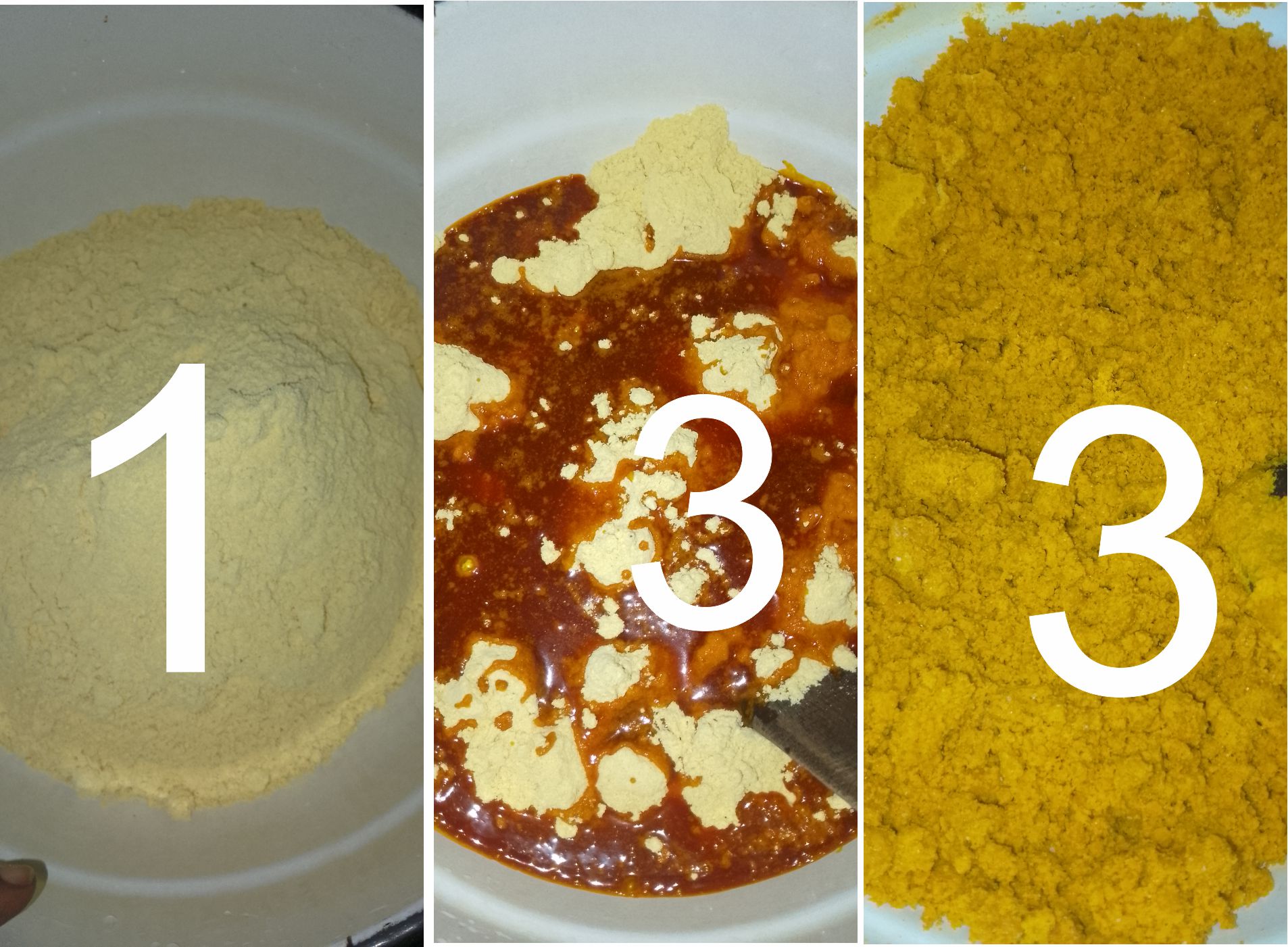
Add red palm oil and salt.
Stir thoroughly until the oil is evenly incorporated throughout the corn flour.
Take your time with this step because you want the corn flour to combine well with the oil.
Step 2: Add Warm Water
Add 1 cup of warm water and mix thoroughly.
If the mixture is still too hard, add another cup of warm water and continue mixing.
The goal is to achieve a very thick paste, not a watery mixture.
The consistency at this stage is important because you will still be adding several ingredients and vegetables.
Step 3: Add the Akidi
Add the Akidi to the thick corn mixture.
Mix thoroughly so that the Akidi is evenly distributed throughout the corn base.
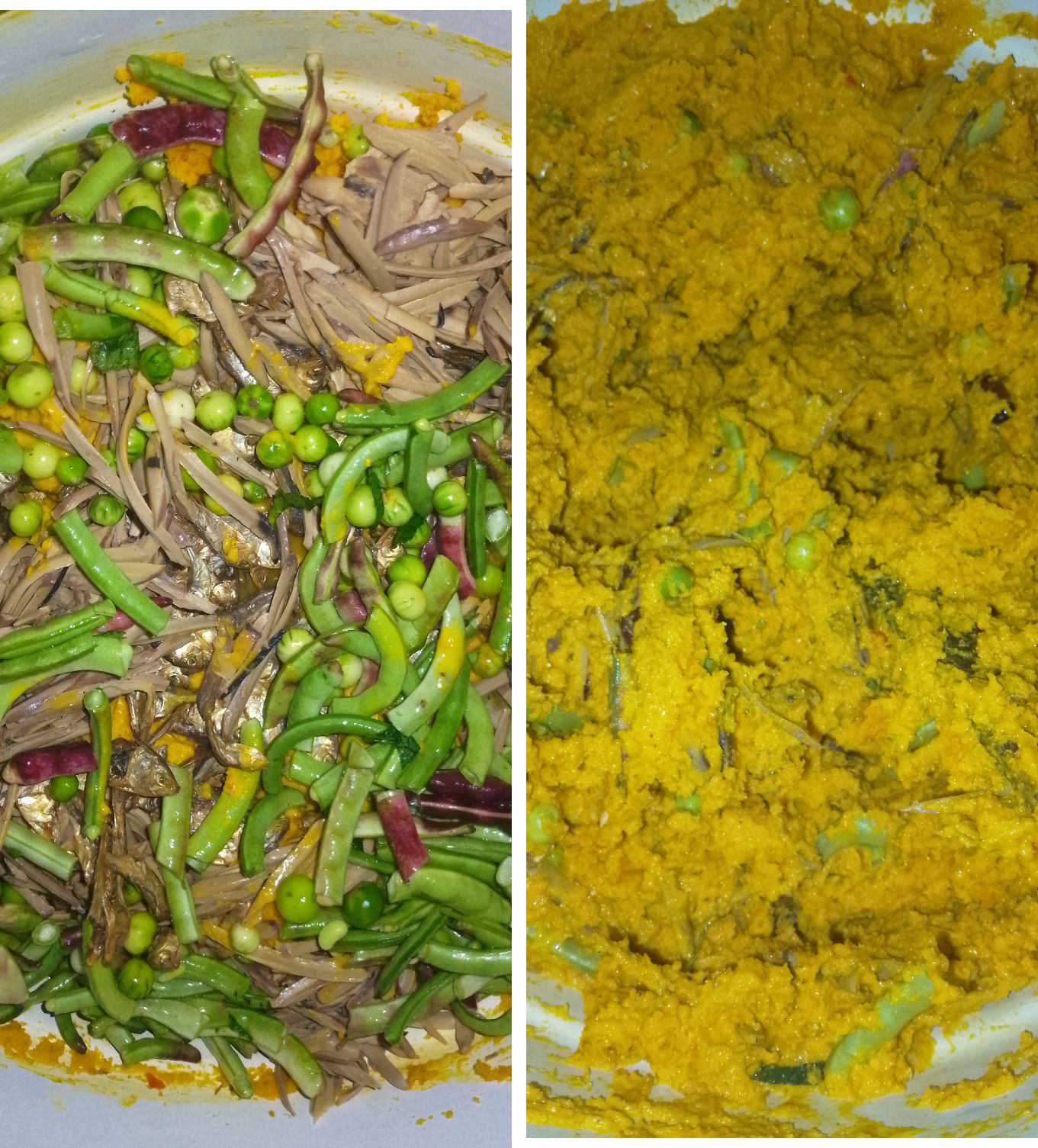
Step 4: Add Ukpaka, Crayfish and Sardine
Next, add the Ukpaka, onions, blended crayfish, native garden egg and whole Lake Victoria sardine.
Mix everything thoroughly into the corn base.
Add about 1 cup of water and stir again.
Taste the mixture and adjust the salt if necessary.
At this stage, all the major ingredients should be well distributed throughout the corn mixture.
Adding the Vegetables
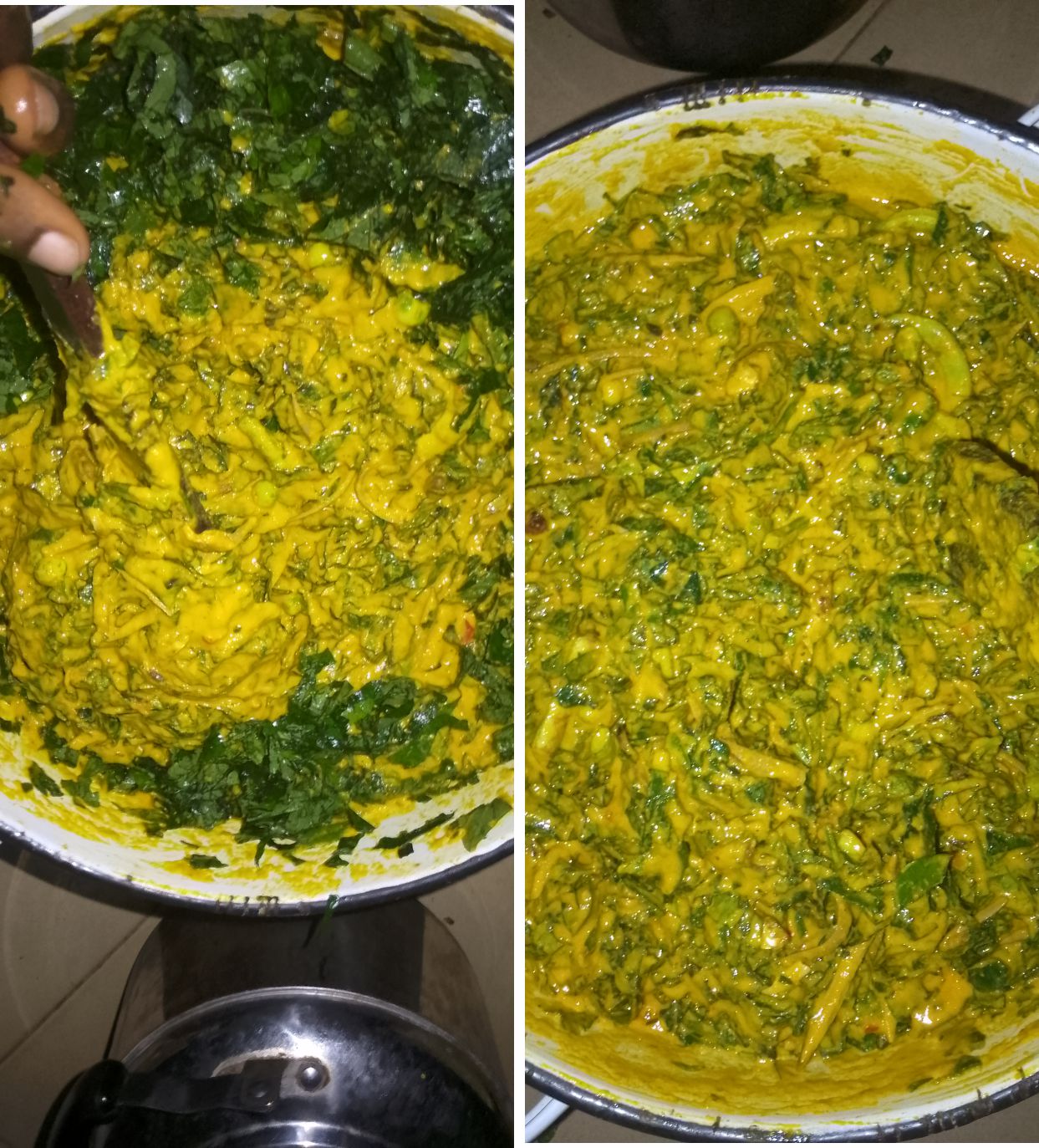
This is one of the important parts of my Igboka preparation.
I don’t add all the vegetables at once.
Instead, I add them one after another, stirring thoroughly after each addition.
This helps distribute the vegetables evenly throughout the mixture rather than allowing one type of vegetable to gather in one place.
Step 5: Add the Scent Leaf
Add the chopped Ahuji (scent leaf) and stir thoroughly.
Make sure the leaves are properly incorporated into the corn mixture.
Step 6: Add the Garden Egg Leaves
Next, add the chopped garden egg leaves.
Stir thoroughly before moving on to the next vegetable.
Step 7: Add the Waterleaf
Add the chopped waterleaf and mix very well.
The waterleaf will contribute moisture to the mixture, so pay attention to the consistency as you stir.
Step 8: Add the Ugu
Finally, add the chopped ugu.
Stir everything thoroughly until the vegetables are evenly distributed throughout the corn mixture.
Check the Consistency
At this point, observe the consistency of your Igboka mixture.
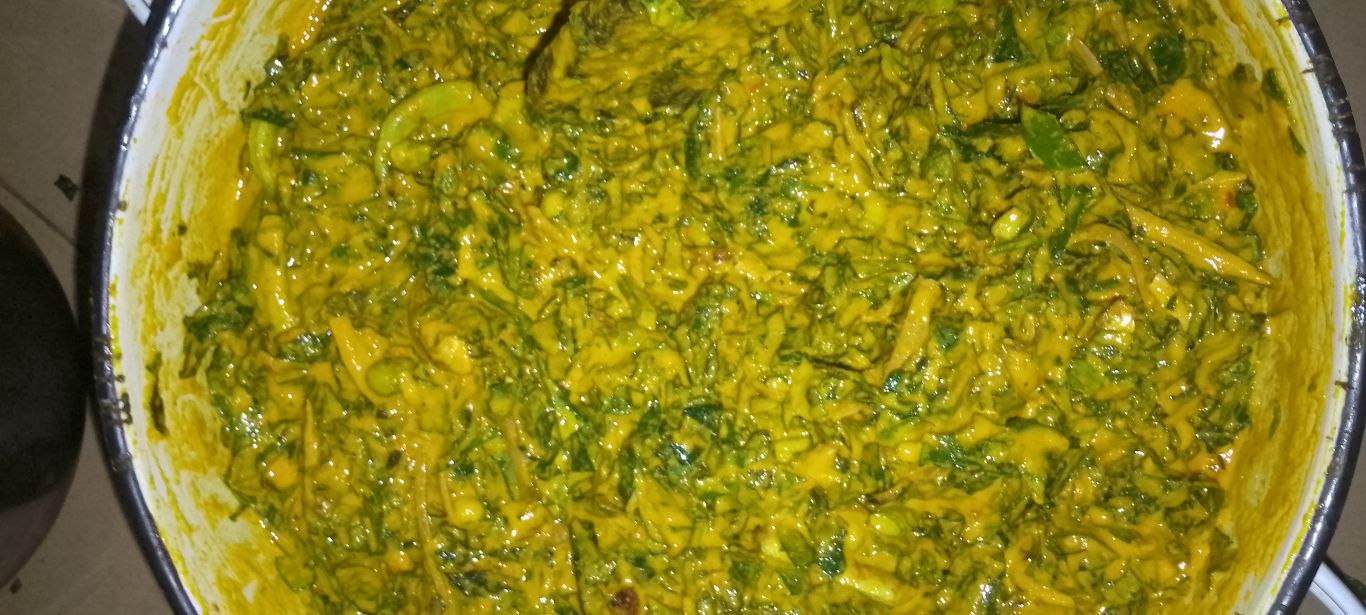
It should be thick but workable—not watery.
If your mixture is overly thick, add a little water and stir thoroughly until you achieve the right consistency.
Avoid adding too much water at once.
Remember that the vegetables will also contribute some moisture to the mixture.
How to Wrap Igboka
Once the mixture is ready, you can begin wrapping it.
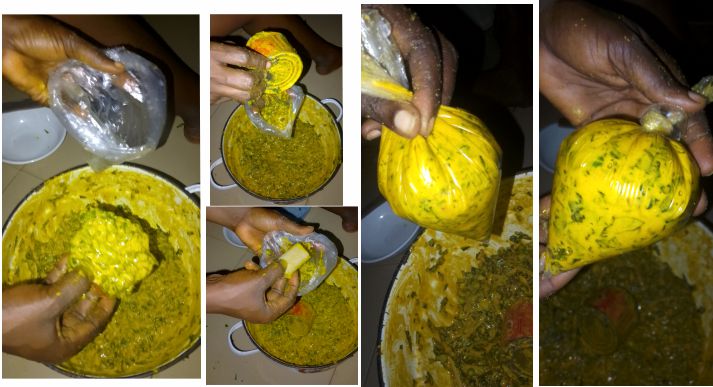
Get your food-grade nylon and a scooping cup.
Scoop some of the Igboka mixture into the nylon.
Add one slice of ripe plantain to the wrap.
Tie the nylon securely.
Continue scooping, adding plantain, and tying each wrap until you have used up the mixture.
A Small Timing Tip
When you are almost finished wrapping the Igboka, put water into your cooking pot and place it on the heat.
Continue wrapping the remaining Igboka while the water heats up.
By the time you finish wrapping, the water should have reached a boiling point.
This saves you from having to wait for the water to boil after all the Igboka has already been wrapped.
How to Cook Igboka
When the water has reached a boiling point, you can begin cooking the Igboka.
Before putting each wrap into the pot, shake the nylon gently.
This helps remix any ingredients that may have settled toward the bottom of the wrap.
Carefully place the Igboka wraps into the boiling water.

If you are using a regular cooking pot, find a clean rice or jute bag and use it to cover the Igboka inside the pot.
The purpose is to help conserve the steam and prevent too much steam from escaping during cooking.
If you are using a pressure pot, you won’t need the rice or jute bag.
How Long Does Igboka Take to Cook?
The cooking time depends partly on the size of the wraps.
For the size of Igboka wraps I normally prepare:
Regular pot: about 1 hour
Pressure pot: about 45 minutes
Larger wraps may require additional cooking time, so don’t rely on the clock alone. The best way to determine whether Igboka is properly cooked is to check the centre.
How to Know When Igboka Is Done
This is one of the most important parts of the recipe.
Remove one Igboka wrap from the pot and carefully cut it into half.
Look at the centre.
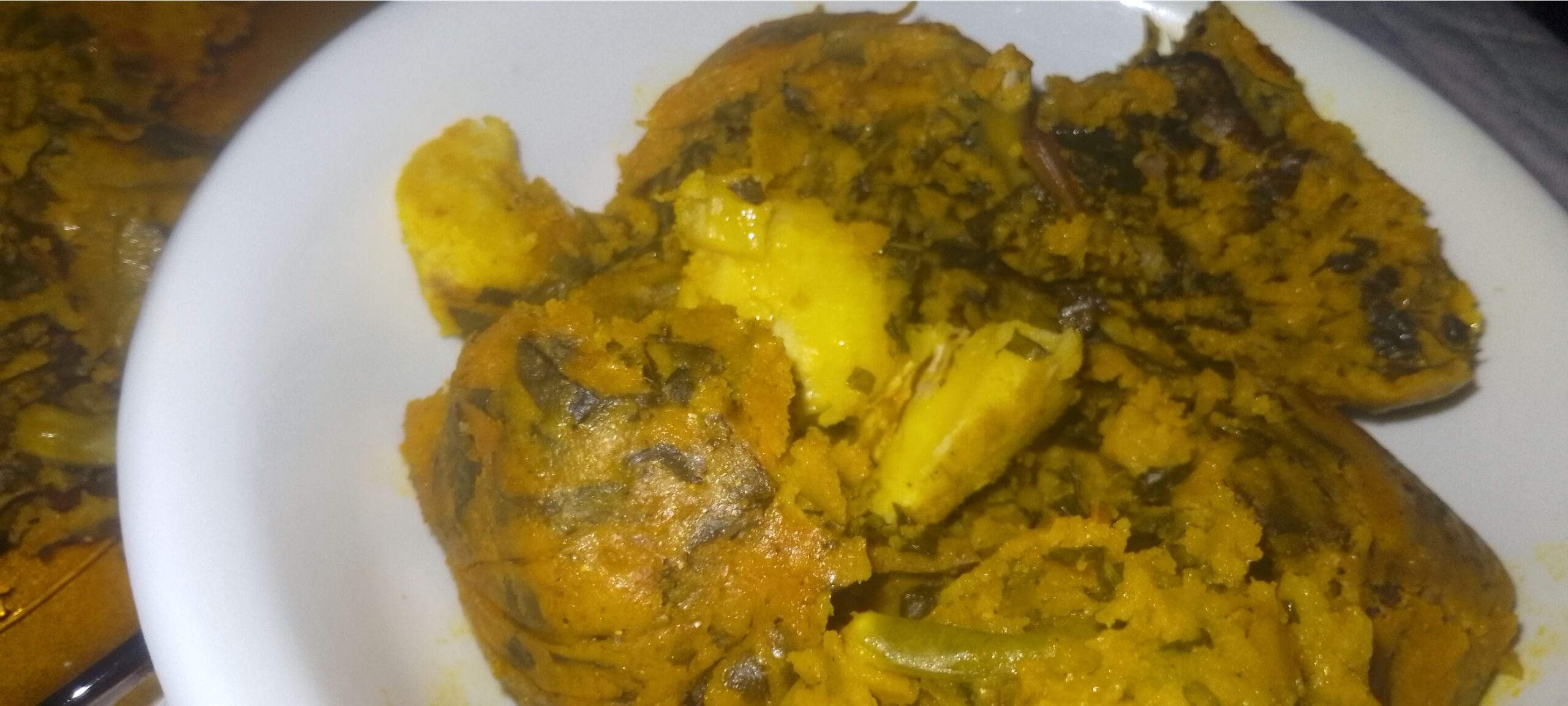
If the middle still looks pasty or raw, the Igboka is not properly cooked yet.
If the centre looks solid and cooked, and the mixture does not stick to your finger when touched carefully, then your Igboka is properly cooked.
Once you confirm that it is done, turn off the heat.
Sieve out the cooking water and allow the Igboka to cool slightly before serving.
How to Serve Igboka
Igboka is delicious when served warm though some people prefers hot Igboka.
The ripe plantain inside the wrap adds a subtle sweetness that complements the savoury corn and vegetable mixture.
You can serve it as a satisfying meal on its own.
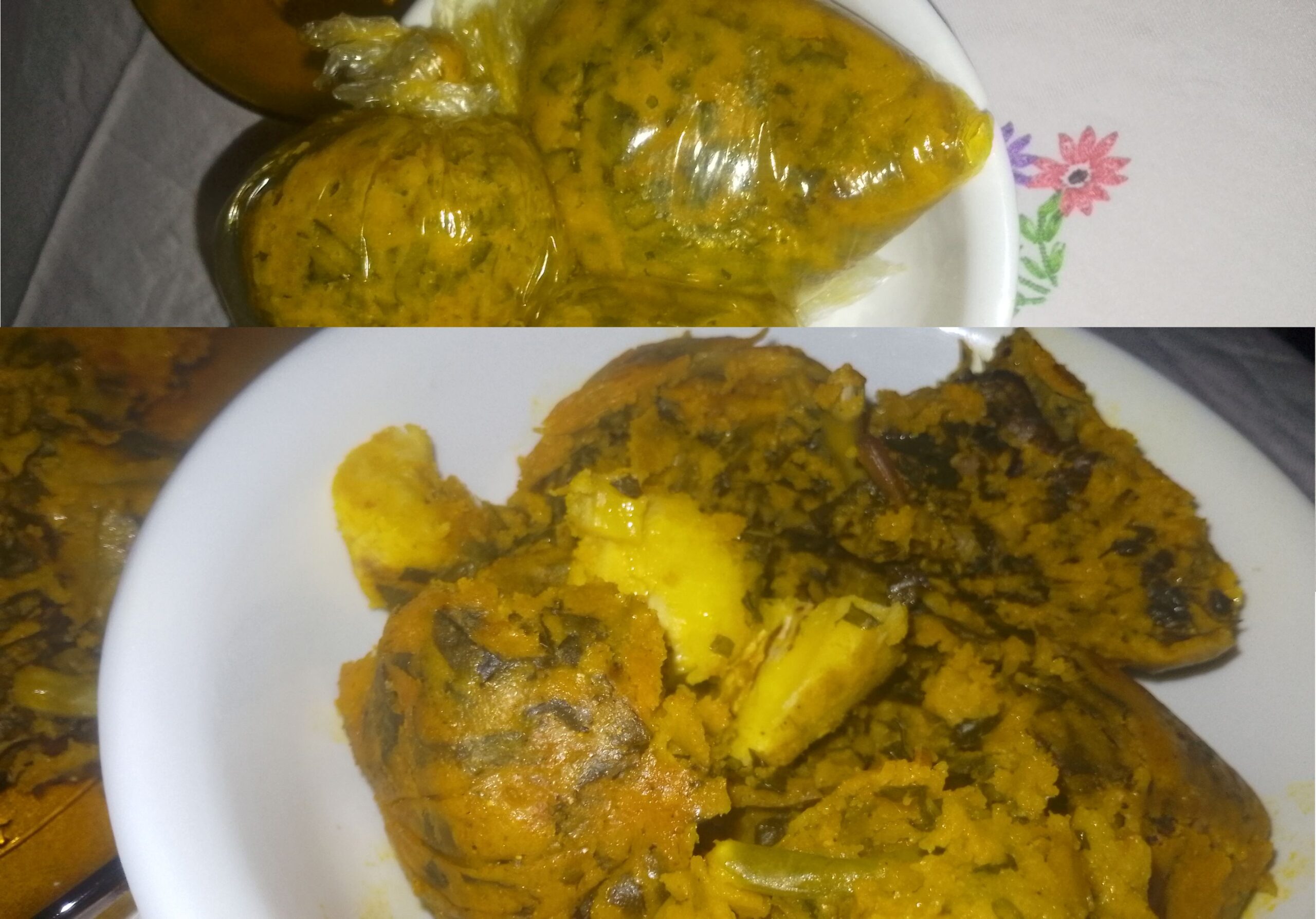
Because the dish already contains corn, vegetables, fish, Akidi, Ukpaka, and other ingredients, it is a filling and flavourful meal without requiring an elaborate side dish.
A cup of Zobo goes well with it also.
Tips for Making Delicious Igboka
1. Don’t make the corn mixture watery
Start with a thick mixture. You can always add a little water later if necessary, but correcting an overly watery mixture can be difficult.
2. Add the vegetables separately
Adding each vegetable separately and stirring thoroughly helps distribute them evenly throughout the Igboka.
3. Don’t blend the Lake Victoria sardine
Keeping the sardine whole allows you to encounter pieces of fish as you eat. In my opinion, this makes the Igboka even more enjoyable.
4. Ripe plantain is optional
You don’t have to add plantain, but it gives the Igboka a wonderful taste.
5. Use food-grade nylon
Since the Igboka will be cooked inside the nylon, make sure you use appropriate food-grade cooking nylon intended for this type of food preparation.
6. Shake the wraps before cooking
Some ingredients can settle toward the bottom of the nylon while you are wrapping the Igboka. A gentle shake before cooking helps redistribute them.
7. Check the centre for doneness
Don’t judge the cooking time by the outside alone. Cut one wrap open and inspect the middle to make sure it is fully cooked.
Frequently Asked Questions About Igboka
What is Igboka made from?
Igboka is primarily made from corn flour or finely processed corn, combined with vegetables and other ingredients such as fish, crayfish, legumes, palm oil, and seasonings. The exact ingredients vary according to the cook.
Can I use ready-made corn flour for Igboka?
Yes. If you don’t want to process whole corn yourself, you can buy already-processed corn flour from a trusted vendor.
Can I prepare Igboka without ripe plantain?
Yes. Ripe plantain is optional. However, it adds a lovely taste to the finished Igboka.
Can I blend the sardine into the Igboka?
You can, but I personally prefer not to blend it. I like keeping the Lake Victoria sardine whole because biting into pieces of fish while eating the Igboka adds to the experience.
Why do Igboka vegetables need to be added separately?
Adding the vegetables one after another and mixing thoroughly helps distribute them evenly throughout the corn mixture. This prevents the vegetables from gathering in one place.
How long does Igboka take to cook?
The cooking time depends on the size of the wraps and the cooking method. For my wrap size, I cook Igboka for approximately 1 hour in a regular pot or about 45 minutes in a pressure pot.
How do I know when Igboka is properly cooked?
Cut one wrap into half and examine the centre. If the centre is still pasty, it needs more cooking. When the centre is solid and no longer sticks to your finger when carefully touched, it is properly cooked.
Final Thoughts
Igboka is a beautiful example of the creativity and richness of traditional Igbo cuisine. What makes this dish particularly special to me is the incredible variety of vegetables that come together in one corn-based meal.
From scent leaf and garden egg leaves to waterleaf and ugu, every vegetable contributes something different. Then you have Ukpaka, Akidi, crayfish, Lake Victoria sardine, and the optional ripe plantain, which brings another layer of flavour to the dish.
That is why I like to call Igboka a festival of vegetables.
The recipe may require some preparation because there are several ingredients to wash, chop, and mix, but the result is worth the effort. Once everything is properly combined, wrapped, and cooked, you end up with a delicious traditional meal that is hearty, flavourful, and satisfying.
If you’ve never cooked Igboka before, I hope this recipe gives you the confidence to try it.
And if you decide to add ripe plantain like I do, don’t skip that first bite—it’s one of my favourite parts! 😊
Happy cooking!