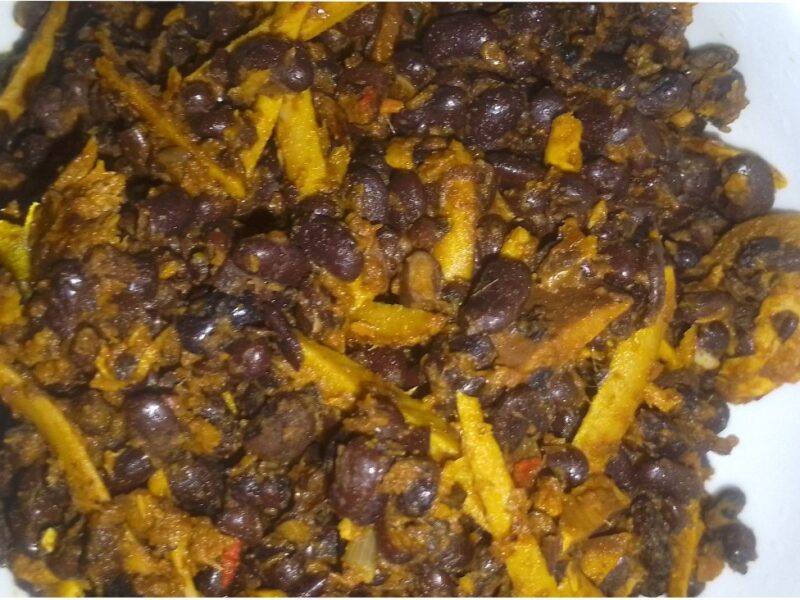
How to Cook Afang Soup (Authentic Nigerian Afang Soup Recipe)
Afang Soup is one of Nigeria’s most celebrated traditional soups, loved for its rich flavour, nourishing ingredients, and satisfying texture. Originating from the Efik and Ibibio people of Akwa Ibom and Cross River States, this delicious vegetable soup has become a favourite across Nigeria and beyond. Whether served at family gatherings, festive celebrations, or as a comforting weekend meal, Afang Soup always earns a special place on the dining table.
The beauty of Afang Soup lies in its unique combination of fresh waterleaf, shredded afang leaves (Okazi), assorted meats, smoked fish, stockfish, and crayfish, all simmered in rich palm oil to create an incredibly flavourful soup. Every spoonful delivers a perfect balance of earthy vegetables, savoury proteins, and traditional Nigerian spices.
If you’ve never prepared Afang Soup before, don’t worry. This step-by-step guide will show you exactly how to cook authentic Nigerian Afang Soup from scratch. The process is straightforward, and with the right ingredients and a few helpful tips, you’ll be able to prepare a delicious pot that everyone will enjoy.
Why You’ll Like This Afang Soup Recipe:
There are many reasons why Afang Soup remains one of Nigeria’s favourite traditional soups.
- Rich, authentic Nigerian flavour.
- Easy-to-follow recipe suitable for beginners.
- Packed with nutritious leafy vegetables.
- Loaded with assorted meats and fish for extra flavour.
- Perfect for family meals, celebrations, and special occasions.
- Pairs beautifully with pounded yam, eba, fufu, semovita, and other swallows.
- Stores well and tastes even better the following day.
- One of the best things about Afang Soup is that its flavour becomes even richer after reheating, making leftovers just as enjoyable as the freshly cooked soup.
What Is Afang Soup?
Afang Soup is a traditional Nigerian vegetable soup prepared mainly with shredded afang leaves (also called Okazi leaves) and fresh waterleaf. The soup originated among the Efik and Ibibio people of southern Nigeria but has become popular throughout the country.
Although Afang leaves are naturally tough, they become pleasantly chewy when thinly sliced or blended before cooking.

Some people also dry and grind the leaves into a coarse powder for convenience. Combined with palm oil, assorted meats, seafood, crayfish, and traditional seasonings, the soup develops a rich, hearty flavour. I also love adding Okpei, a traditional fermented seasoning that gives Afang Soup a deep, authentic native taste.
Today, Afang Soup is commonly served at weddings, festivals, family celebrations, and everyday meals, making it one of the most treasured dishes in Nigerian cuisine.
Ingredients For Afang Soup
To prepare a delicious pot of Afang Soup, you will need:

- 500 g shredded afang (Okazi) leaves
- 1 kg fresh waterleaf, washed and chopped
- 700 g assorted meat (beef, cow skin, shaki, or goat meat)
- 2 smoked fish
- 200 g stockfish
- 1 cup periwinkles (optional)
- 1 cup ground crayfish
- 1 medium onion (optional)
- ½ cup palm oil
- 4 small balls of Okpei (traditional fermented seasoning)
- Salt to taste
- Fresh pepper or ground pepper to taste
Kitchen Equipment Needed:
- Cooking pot
- Sharp knife
- Chopping board
- Wooden spoon
- Measuring cups
- Bowl for washing vegetables
- Blender or mortar and pestle (for grinding pepper, crayfish, and Okpei)
More Nigerian Recipes You’ll Love:
- How to cook Bitterleaf soup (Ofe Onugbu)
- How to prepare Abacha (African Salad)
- 6 Natural spices that transforms your cooking
- Okra soup with vegetable
- How to cook Egusi soup with ugu
- Yam porridge with vegetable
- ogbono soup with okra
- How to cook Okpa (bambara nut flour)
- Ofe Oha (Oha Soup)
- How to cook Ofe Akwu (Banga Stew)
- Healthy alternatives to Maggi
- How to cook Egusi soup with Bitterleaf (Onugbu)
- How to cook Ukwa (African Breadfruit)
- How to cook White soup (Ofe Nsala)
- How to cook Igboka (Traditional Corn flour Delicacy)
- How to prepare Akidi with Ugba
Cooking Steps For Afang Soup
Step 1:
Wash and slice your vegetables, Ukazi, waterleaf and Uziza. You can ground or blend the okazi leaves into powder or moderate texture. Keep aside.
Step 2:
Wash the fresh pepper, then blend or grind it together with the crayfish and Okpei. Set aside.
Step 3:
Prepare your proteins. Cook the assorted meat with the stockfish and dry fish until they begin to soften. Then add the smoked fish and continue cooking until all the proteins are tender.
Step 4:
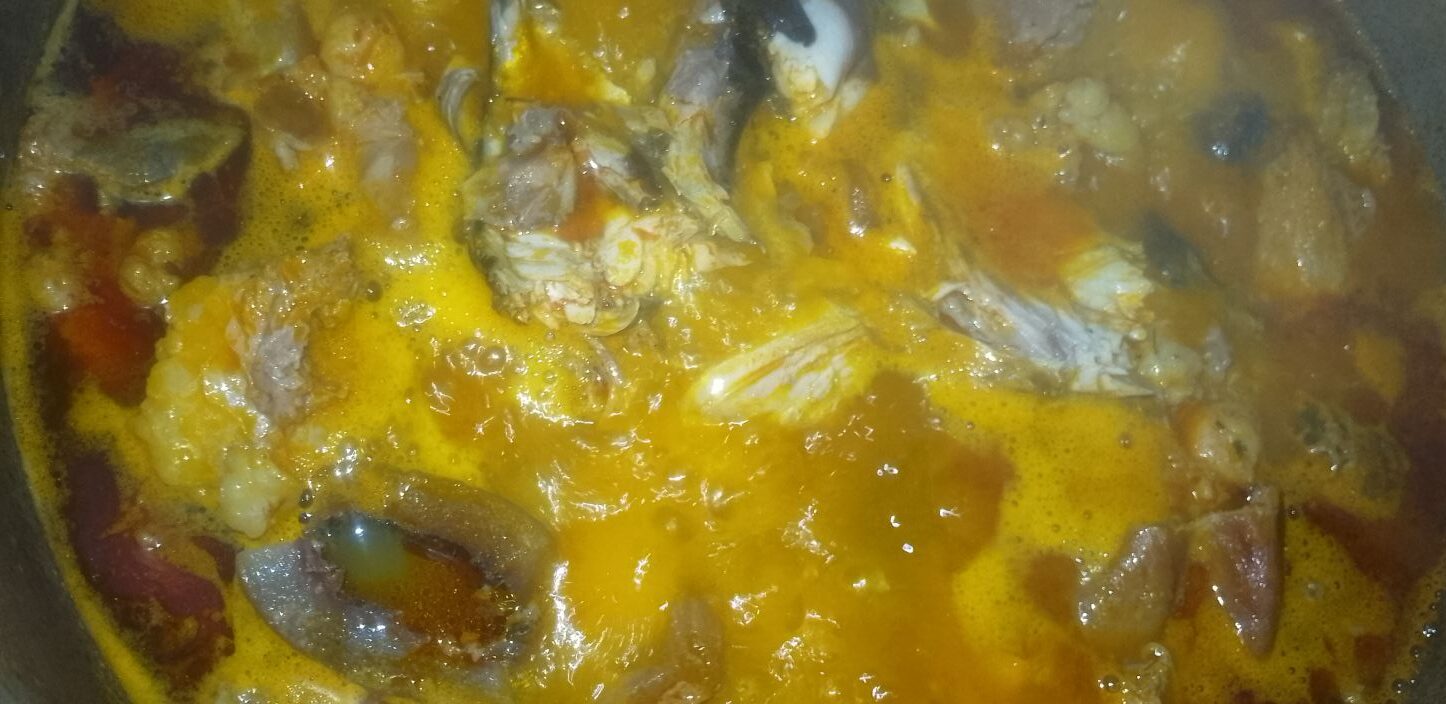
When your meat has cooked well, add red oil and the blended pepper, crayfish and okpei. Allow it to cook for about 2 minutes so the palm oil combines properly with the meat stock to form a rich soup base giving a yellowish color.
Step 5:
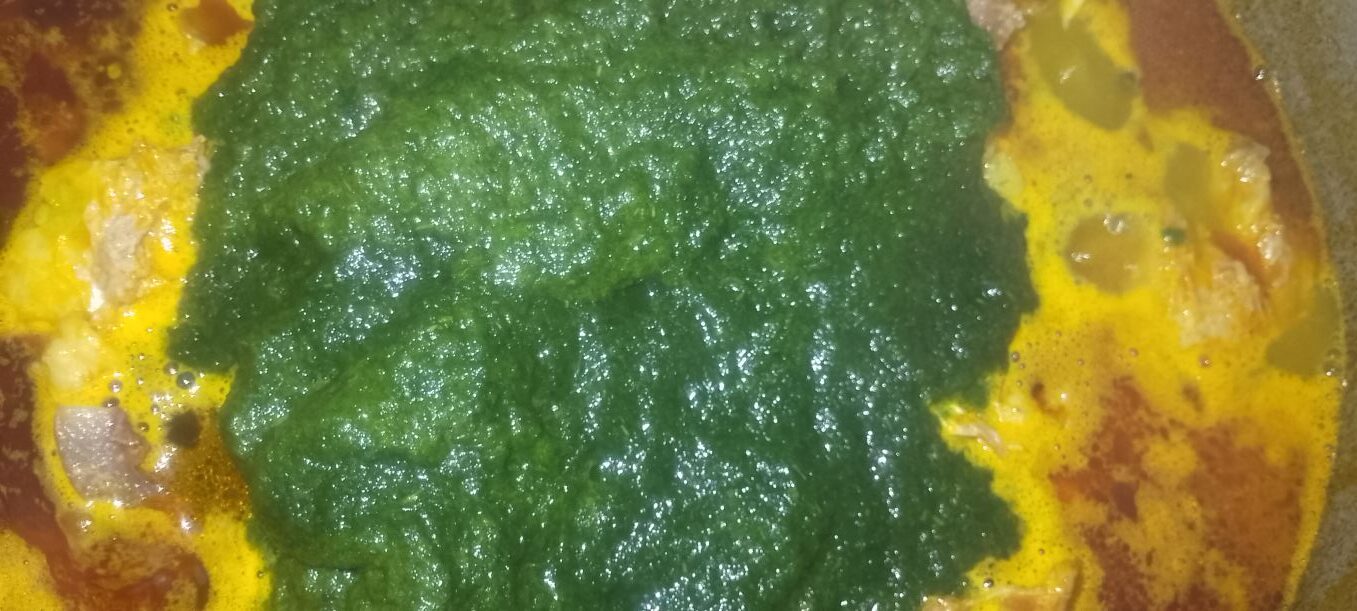
Add the blended okazi leaves, stir and cover the pot, allow it to cook for 10mins. Stir occasionally to prevent the vegetables from sticking to the bottom of the pot.
Step 6:
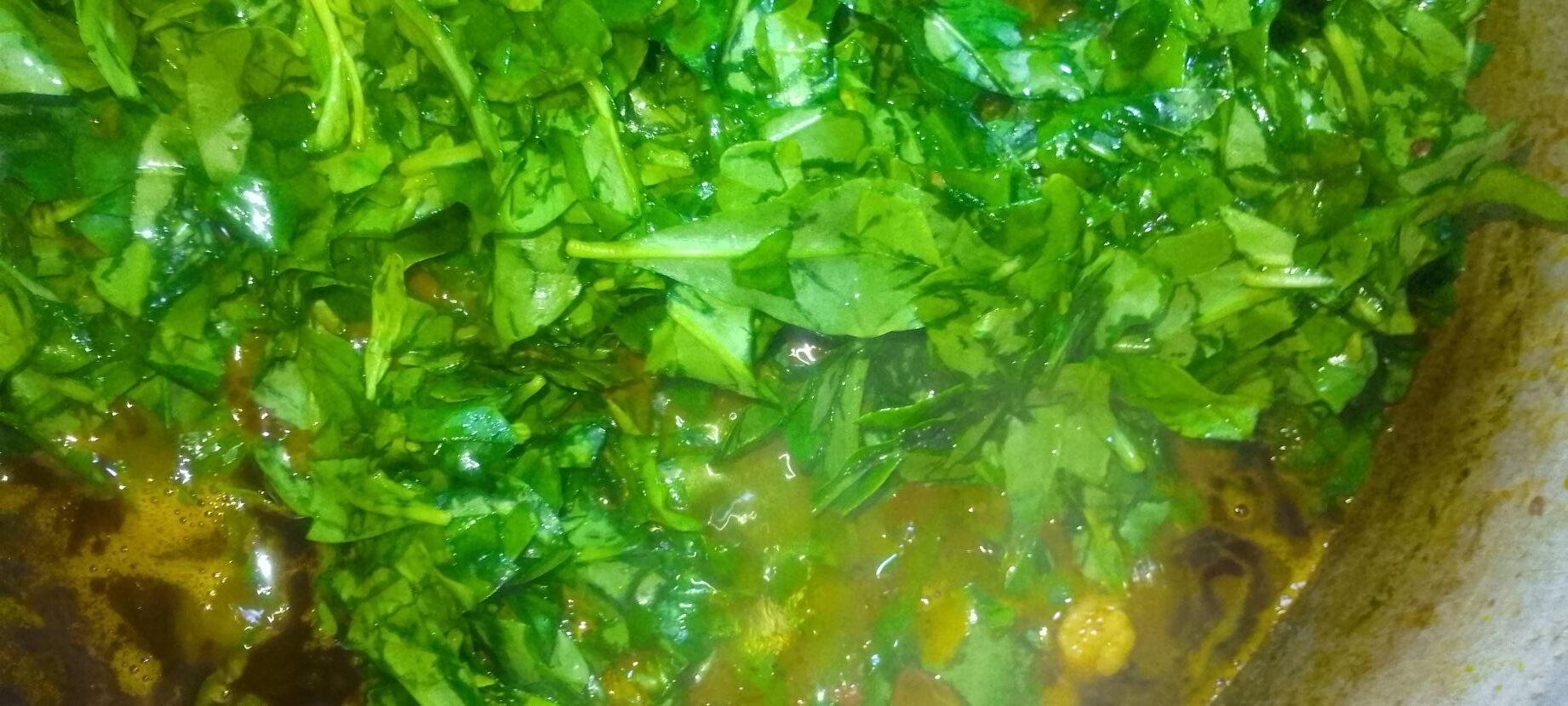
Add your sliced waterleaf vegetable, stir very well to mix with the soup base, cook for a minute, stir and taste for salt.
Step 7:
Turn off the heat and serve hot.
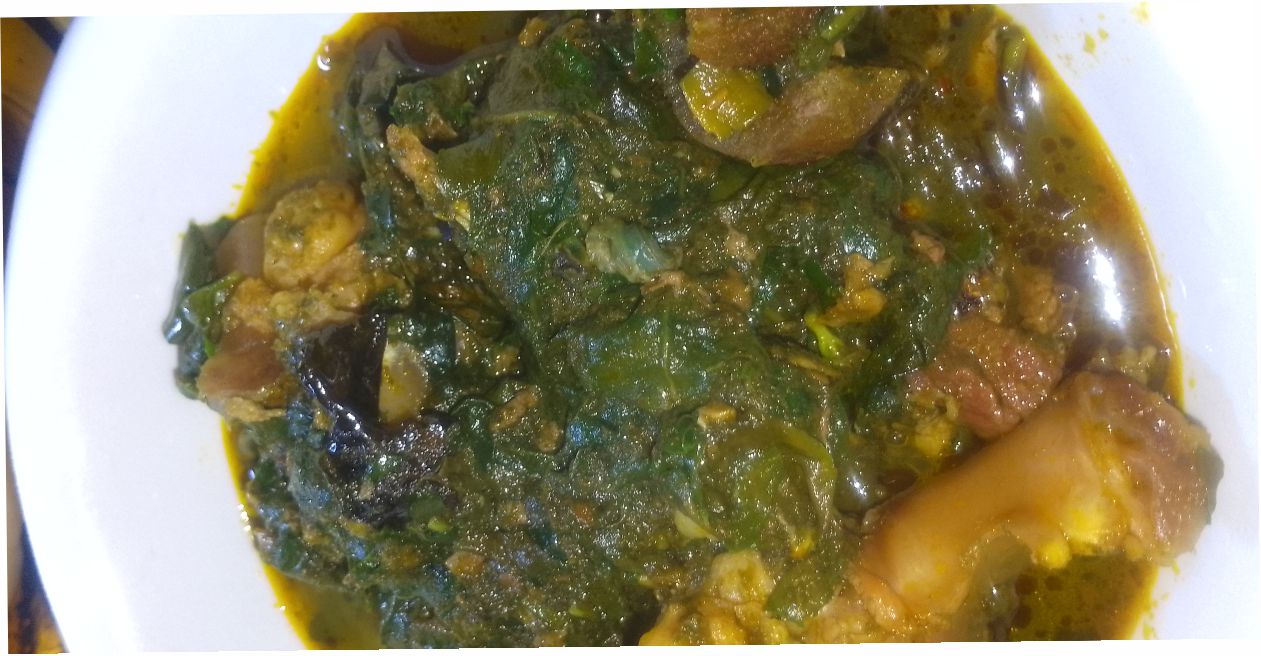
Tips For Best Afang Soup:
- Wash the waterleaf thoroughly to remove sand.
- If you do not want to blend the Afang leaves, Slice it as thinly as possible for a better texture.
- Cook the meats until they are tender before adding the vegetables.
- Avoid overcooking the vegetables to preserve their colour and nutrients.
- Add the afang leaves towards the end of cooking to maintain their distinctive texture.
- Taste before serving and adjust the salt if necessary.
Common Mistakes To Avoid:
- Adding too much water
- Overcooking the vegetables
- Using too much palm oil
- Not washing the waterleaf properly
- Skipping the crayfish or Okpei if you want the authentic native flavour
What To Serve With Afang Soup:
Afang Soup pairs perfectly with:
- Pounded yam
- Eba
- Fufu
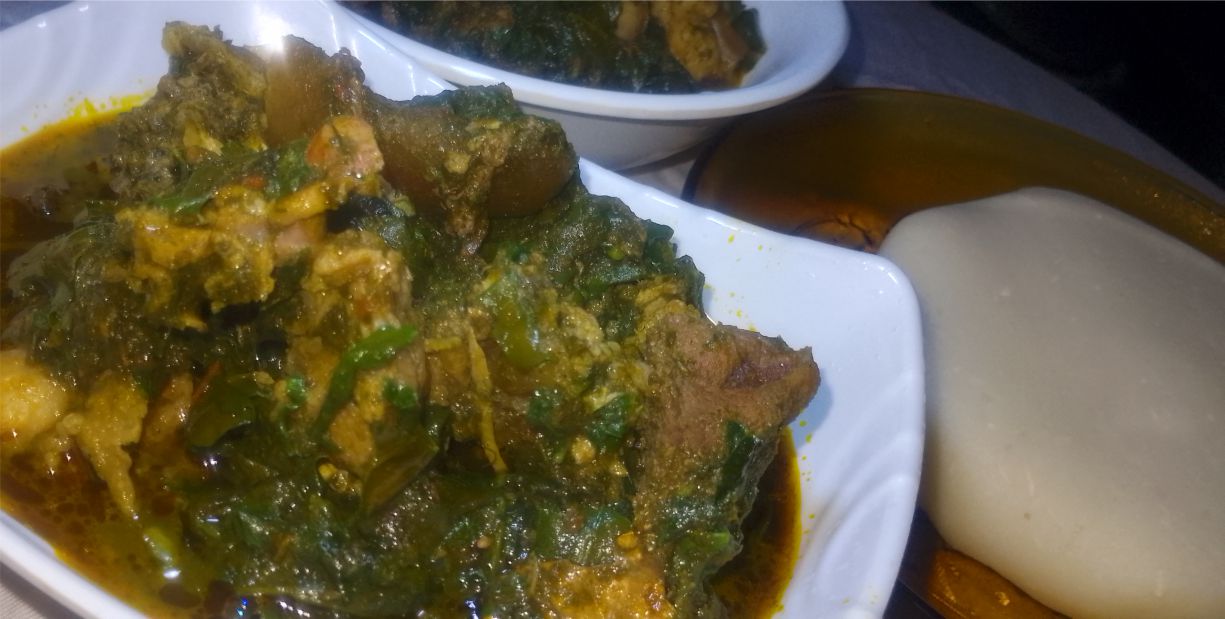
- Semovita
- Amala
- Wheat swallow
Health Benefits of Afang Soup:
- Rich in dietary fibre
- High in protein
- Excellent source of vitamins A and C
- Contains healthy fats from palm oil
- Naturally filling and satisfying
How To Store Afang Soup:
Allow the soup to cool completely before transferring it to airtight containers. Refrigerate for up to four days or freeze for up to three months. Reheat thoroughly before serving. One of my favourite things about Afang Soup is that it tastes even better after reheating. As the flavours continue to blend, the soup becomes richer and even more delicious the next day.
Frequently Asked Questions
Is Afang Soup healthy?
Yes. Afang Soup contains leafy vegetables, healthy fats from palm oil, protein from meats and fish, and essential vitamins and minerals.
Can I cook Afang Soup without waterleaf?
Waterleaf is an important ingredient because it provides moisture and balances the texture of the afang leaves. However, if it is unavailable, some cooks use spinach or other leafy vegetables, though the taste and texture will differ.
Why is my Afang Soup watery?
This usually happens when too much water is added. Since waterleaf naturally releases moisture during cooking, use only a small amount of additional stock or water.
Can I freeze Afang Soup?
Yes. Afang Soup freezes well and retains its flavour when stored properly in airtight containers.
Final Thoughts
Afang Soup is more than just a meal—it’s a cherished part of Nigerian culinary heritage. Its combination of tender meats, nutritious vegetables, rich palm oil, and aromatic seasonings creates a soup that is both comforting and deeply satisfying. Whether you’re cooking it for your family, entertaining guests, or simply craving an authentic Nigerian dish, this recipe will help you prepare a delicious pot with confidence.
If you try this recipe, I’d love to hear how it turned out. Feel free to leave a comment, share your experience, or let me know any personal twists you added to make it your own. Happy cooking!