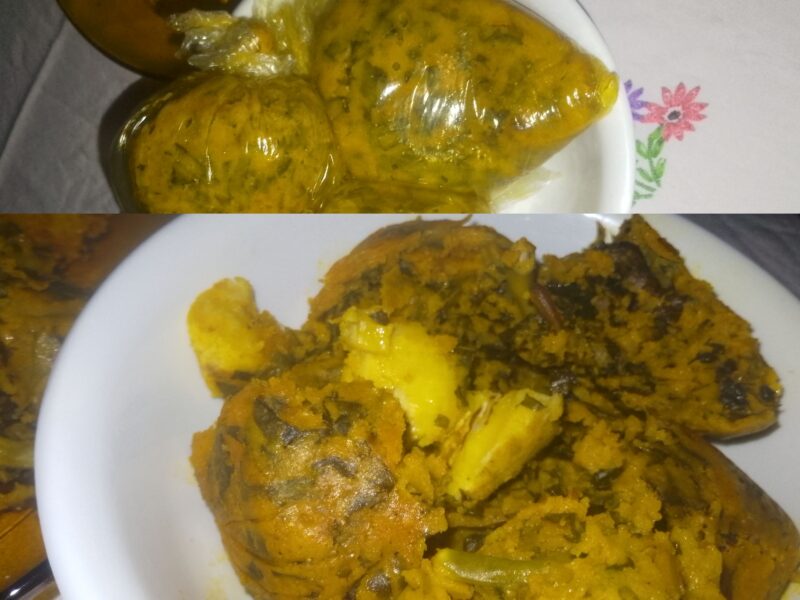
How to Prepare Akidi with Ugba – Traditional Nigerian Akidi Recipe
Akidi with Ugba is a traditional Nigerian delicacy made from Akidi (black beans) and Ugba (ukpaka/oil bean seeds). It is especially enjoyed as a rich, satisfying dish on its own or combined with other traditional Nigerian foods such as Abacha.
What makes this dish particularly enjoyable is the combination of soft Akidi, Ugba, palm oil, crayfish, pepper, smoked fish, and cow skin. The ingredients come together to create a deeply savoury and aromatic dish that is simple to prepare once the Akidi is properly cooked.
The most important part of preparing Akidi is getting the beans soft enough. When Akidi is properly cooked and tender, it absorbs and combines beautifully with the palm-oil mixture. Undercooked Akidi, on the other hand, remains hard and does not allow the ingredients to blend properly.
In this recipe, I will show you how I prepare Akidi with Ugba using a simple traditional method.
Ingredients for Akidi with Ugba
For this recipe, you will need:
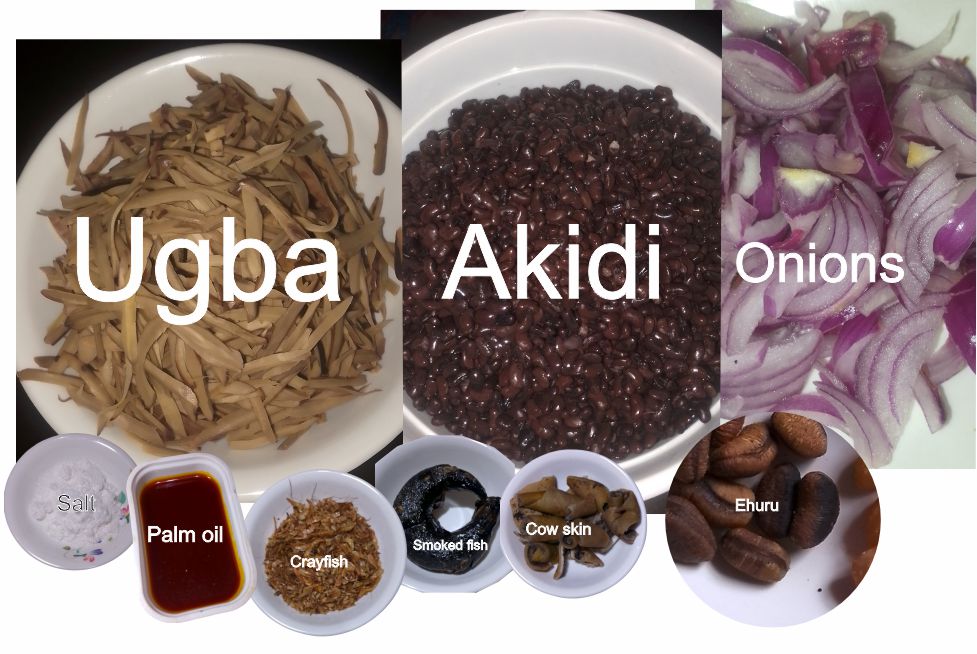
- 4 cups Akidi seeds (black beans)
- 2 cups Ugba (ukpaka/oil bean seeds)
- 1 cup red palm oil
- 1 cup ground crayfish
- Pepper, to taste
- Salt, to taste
- 1 medium onion
- 4 pieces Ehuru (African calabash nutmeg)
- Cow skin (kpomo), cooked and cut into pieces
- Smoked fish, cleaned and broken into pieces
- Water, as needed
Some Nigerian Recipes You’ll Love:
- How to cook Igboka (Traditional corn flour delicacy)
- How to cook Nsala Soup (White Soup) Easy Nigerian Recipe
- How to cook Ukwa (African Breadfruit)
- How to cook Egusi Soup with Bitterleaf (Onugbu)
- How to cook Afang Soup
- How to cook Bitterleaf Soup
- How to prepare Abacha
- 6 Natural spice that transforms your cooking
- How to cook Okra Soup with Ugu
- How to cook Egusi Soup with Ugu
- How to prepare Porridge Yam with Vegetable
- How to cook Ogbono Soup with Okra
- How to cook Okpa (Bambara nut flour)
- How to cook Ofe Oha (Oha Soup)
- How to cook Ofe Akwu (Banga Stew)
- Healthy Alternatives to Maggi
How to Prepare Akidi with Ugba
1. Pick and wash the Akidi
Start by carefully picking through the Akidi seeds to remove stones, dirt, and other debris.
Pour the Akidi into a bowl and add enough water. As you wash it, remove any seeds that float to the surface. Wash the Akidi thoroughly.
Transfer the cleaned Akidi into a clean cooking pot.
2. Cook the Akidi until soft
Add enough water to the pot to cover the Akidi generously. You need enough water to allow the Akidi to cook for about 30 minutes without the water drying up.
Place the pot on the gas cooker and allow the Akidi to cook.
After about 30 minutes, check for tenderness. If the Akidi is still hard, continue cooking until it becomes properly soft.
Do not rush this stage. The softness of the Akidi is one of the things that determines how enjoyable the finished dish will be.
When the Akidi is tender, pour it into a sieve to drain off the cooking water.
Set the cooked Akidi aside.
3. Prepare the palm-oil mixture
Use a clean pot large enough to comfortably turn the Akidi.
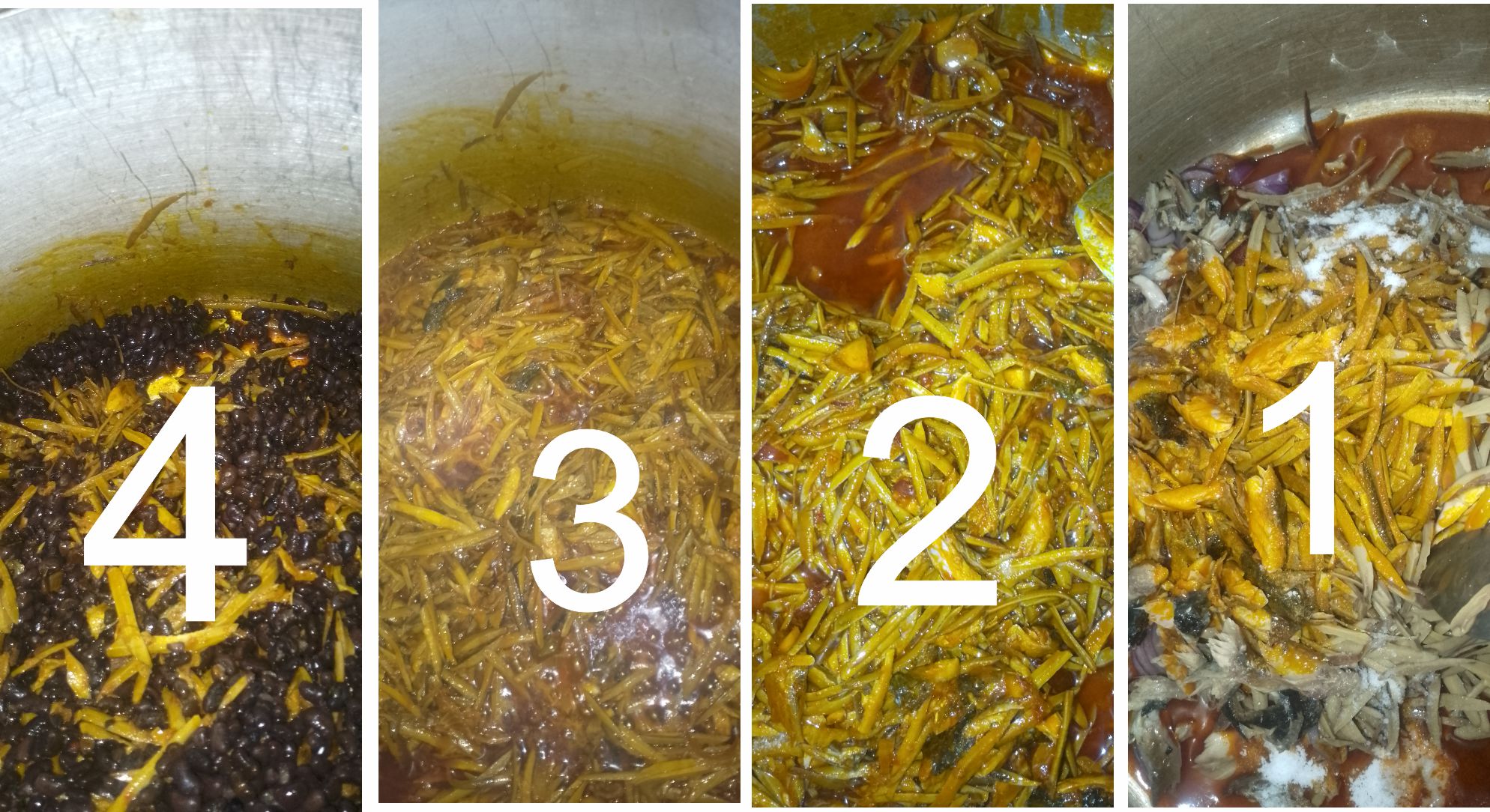
Pour in the red palm oil, then add:
- Sliced onions
- Ground pepper
- Ground Ehuru
- Ground crayfish
- Ugba
- A little water
- cow skin
- smoked fish
The small amount of water is important because this mixture only needs a short cooking time. It helps prevent the palm oil from bleaching excessively and also prevents the ingredients from sticking to the bottom of the pot.
Allow the mixture to cook for a few minutes.
As it cooks, the palm oil begins to absorb the flavour and aroma of the onions, pepper, Ehuru, crayfish, and Ugba.
When you begin to perceive the delicious aroma coming from the seasoned oil, taste for salt and adjust it if necessary.
I prefer to get the salt right at this stage because it mixes more evenly with the palm-oil mixture before the Akidi is added.
4. Add the cooked Akidi
Now pour the drained, cooked Akidi into the palm-oil mixture.
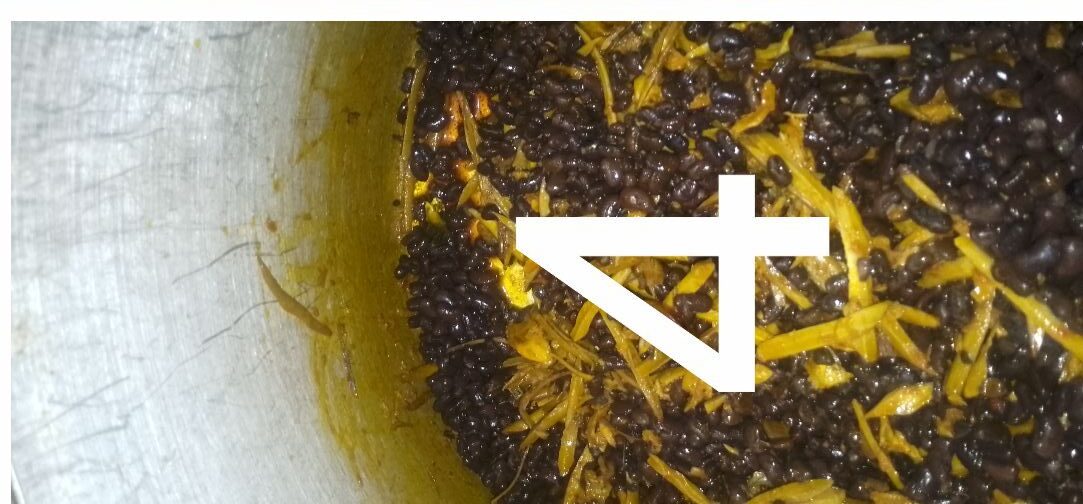
This is the stage where you need to pay close attention.
Using a wooden spoon or spatula, stir the Akidi thoroughly, turning it continuously so that the palm-oil mixture coats and combines with the Akidi.
Keep stirring until the Akidi begins to moderately stick to itself, giving the dish a texture that resembles a thick porridge.
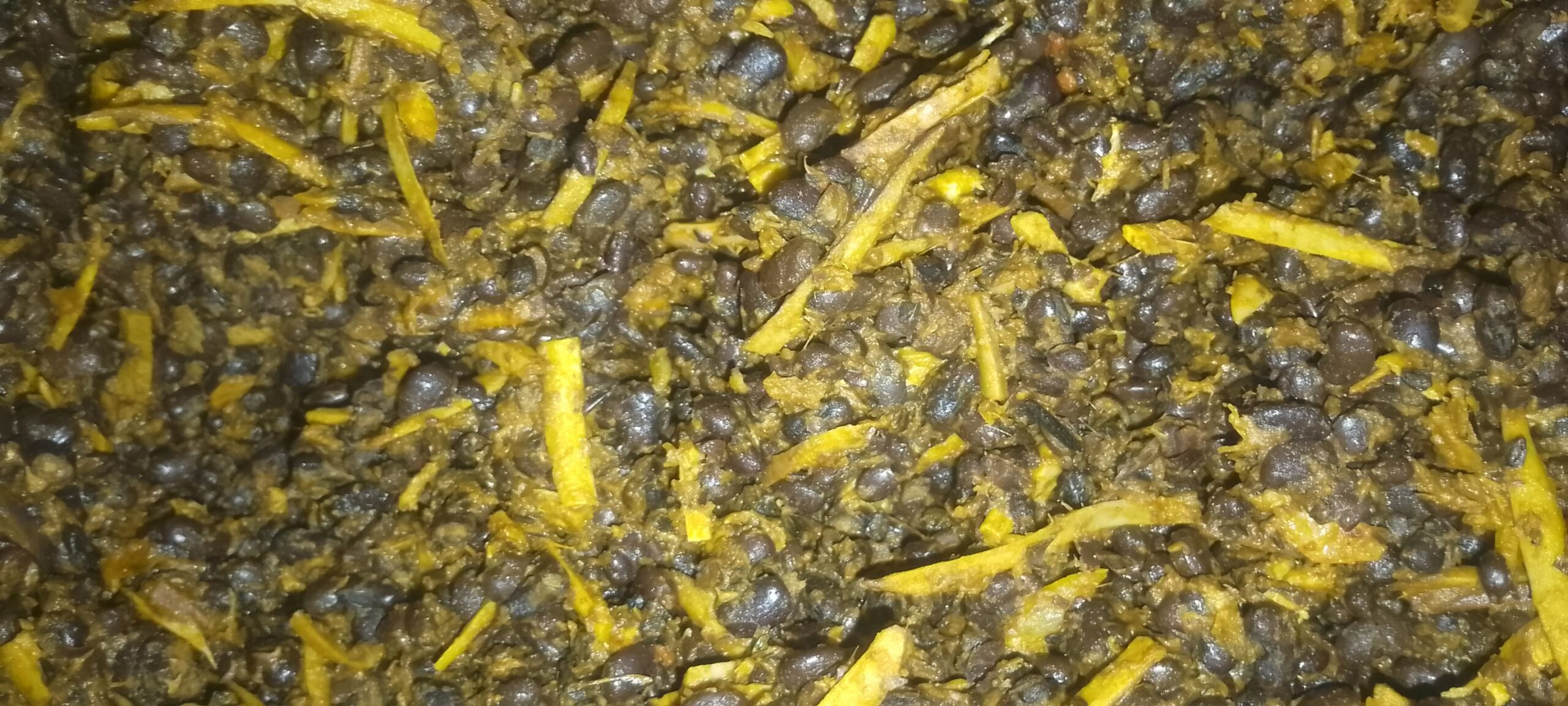
Taste for salt and adjust if necessary, although it is better to have stabilized the salt level while preparing the palm-oil mixture.
Continue turning until all the ingredients are well synchronized and evenly distributed throughout the Akidi.
Then turn off the heat.
Your Akidi with Ugba is ready!
The Secret to Delicious Akidi with Ugba
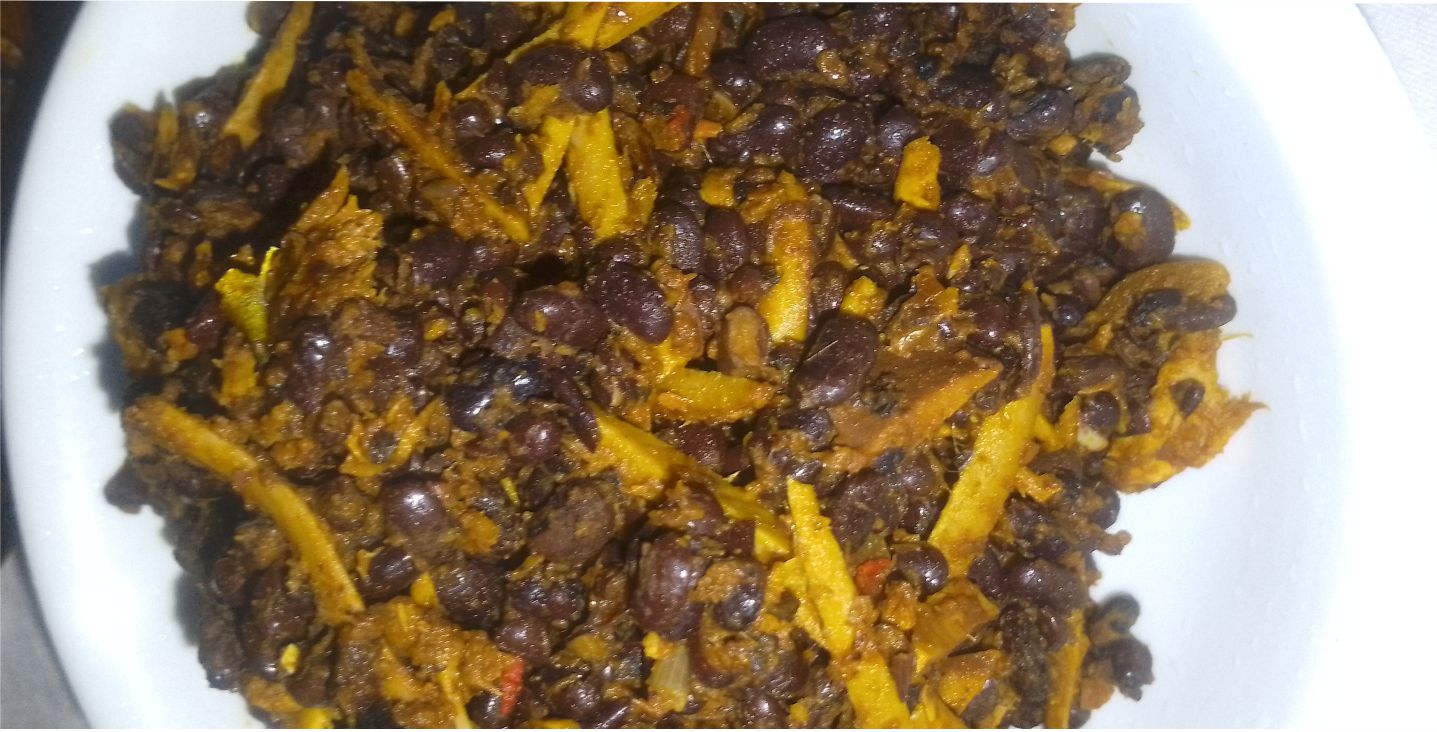
For me, the sweetness and enjoyability of Akidi is in its softness.
Properly cooked Akidi becomes soft enough to receive the flavours of the palm oil, Ugba, crayfish, pepper, and other ingredients.
When Akidi is not properly cooked, it remains hard and tends to repel the ingredients rather than allowing them to blend with it. You will notice that the ingredients do not combine properly, and eating the dish becomes hard work because the Akidi is difficult to chew.
So, when preparing Akidi, don’t focus only on the cooking time—focus on tenderness.
The actual cooking time can vary, so always check the Akidi and continue cooking until it is genuinely soft.
What Can You Eat with Akidi and Ugba?
One of the lovely things about this dish is that Akidi with Ugba can be enjoyed on its own.
Because this preparation already contains cow skin and smoked fish, it is satisfying enough to serve as a complete dish.
You can also enjoy it in different ways.
Akidi with Abacha
Akidi with Ugba can be served with Abacha (African salad). You can mix it with plain white Abacha or add it to already prepared Abacha.
This combination makes a delicious traditional Nigerian meal.
Akidi with Yam
You can also serve Akidi with boiled yam for a hearty and satisfying meal.
Akidi with Palm Wine
For a traditional experience, Akidi can also be enjoyed with palm wine.
Can Akidi with Ugba Be Reheated?
Yes. Akidi with Ugba can be rewarmed the following day.
It can also be refrigerated and reheated when you are ready to eat it.
One thing I particularly like about Akidi is that it does not develop the sour taste that beans can sometimes develop after being stored. When properly stored and reheated, its taste remains largely intact.
Final Thoughts

Akidi with Ugba is one of those traditional Nigerian dishes where simple ingredients come together to create something exceptionally delicious.
The combination of soft Akidi, Ugba, palm oil, crayfish, pepper, Ehuru, smoked fish, and cow skin gives the dish its characteristic richness and aroma.
But if there is one thing I want you to remember when preparing Akidi, it is this:
Make sure your Akidi is properly soft before adding it to the palm-oil mixture.
That softness allows the ingredients to blend beautifully with the Akidi and gives you the satisfying texture that makes the dish enjoyable.
If you have never prepared Akidi with Ugba before, I encourage you to try it. You may discover a new favourite traditional Nigerian dish. ❤️